
TL;DR:
- Designed for remote work and personal recovery, luxury condos now include dedicated home offices, fiber-optic internet, and wellness amenities. These features support productivity, reduce stress, and enhance long-term property value, especially when integrated into building systems like smart-home tech and sustainable infrastructure. Proximity to transit and retail further improves work-life balance by cutting commuting and errand time in urban living.
Work-life balance condo features are specialized design and amenity elements that help residents manage professional responsibilities alongside personal wellbeing within a single urban address. The rise of remote work has pushed this concept from a luxury add-on to a baseline expectation for professionals and families evaluating new residential developments. Units designed with dedicated home offices and fiber-optic internet command a 15–25% rental premium over standard units. That gap tells you exactly how much the market values these features. Hougang-central-residences addresses this demand directly, integrating smart-home systems, tropical landscaped wellness areas, and transit-connected convenience into a single development above Hougang MRT station.
What are the essential work-life balance condo features for productivity?
The most productive remote work setups in condos share one trait: the office is physically separate from the bedroom. Ergonomic home offices that occupy a dedicated room, not a desk wedged into a corner of the living area, are what allow professionals to mentally switch between work and rest. Without that physical boundary, focus degrades and recovery suffers.
Connectivity is the second non-negotiable. Dedicated fiber-optic internet within private units is the standard for professional remote work. Shared building Wi-Fi cannot reliably support video calls, large file transfers, and smart-home devices running simultaneously. Buyers who overlook this detail often discover the problem only after moving in.
Beyond connectivity, the best units for balancing work and home life include:
- Backup power supply for working spaces, protecting against outages during critical calls or deadlines
- Dedicated air conditioning in the home office, separate from the rest of the unit, so temperature stays consistent during long work sessions
- Smart-home systems controlling lighting, climate, and security through voice commands or a single app
- Movable walls and Murphy beds that convert a guest room into a full office and back again within minutes
- Soundproofed entry doors on units in buildings with shared corridors, reducing ambient noise during calls
Pro Tip: When touring a unit, run a speed test on the building's internet at peak hours, typically between 9:00 AM and 11:00 AM on a weekday. The result tells you more than any spec sheet.
How do integrated amenities support wellness and work-life harmony?
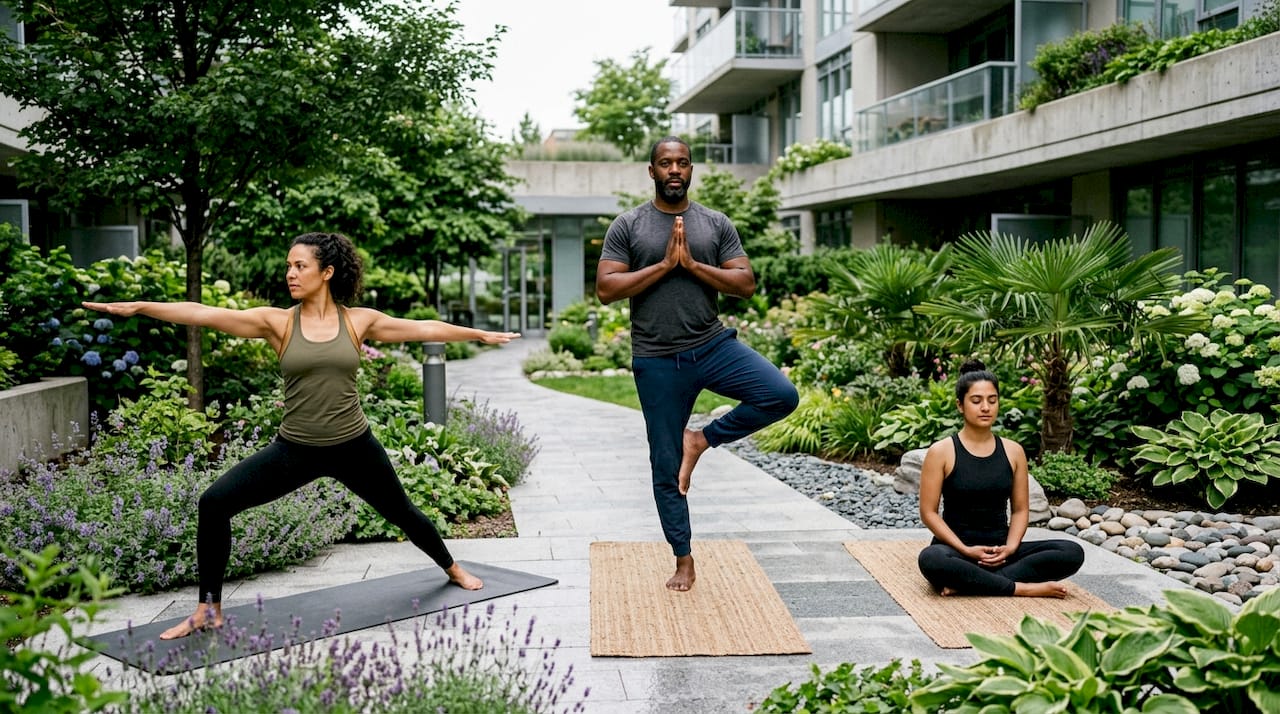
Wellness is now integral to luxury condo design, with recovery and movement elements built directly into the living experience rather than offered as afterthoughts. The shift matters because residents who can decompress without leaving the building recover faster and perform better the next day. A gym two floors down is more likely to get used than one across town.
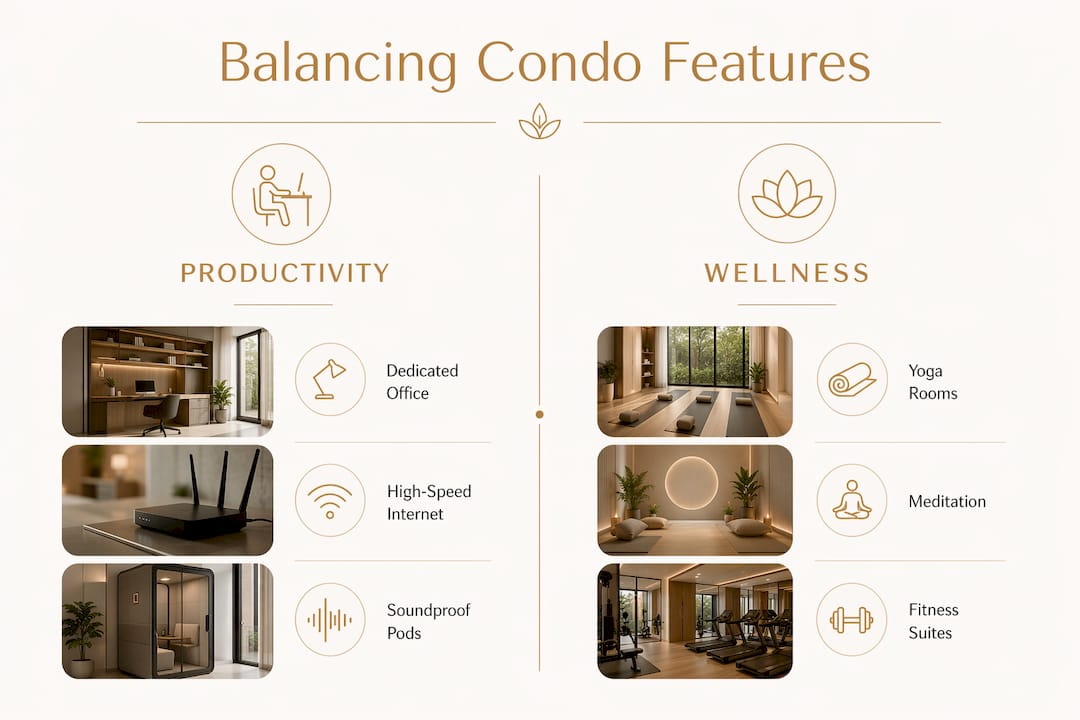
Premium developments now feature amenity suites ranging from 70,000 to 150,000 square feet that blend work, wellness, and social spaces. That scale allows a single building to offer facilities that would otherwise require multiple memberships and commutes. Residents gain access to cold plunges, infrared saunas, meditation decks, yoga studios, and fitness centers without stepping outside.
The table below shows how amenity categories map to specific work-life functions:
| Amenity Category | Work-Life Function |
|---|---|
| Yoga and meditation rooms | Mental reset between work sessions |
| Cold plunges and infrared saunas | Physical recovery after long desk hours |
| Co-working lounges | Focused work outside the home unit |
| Communal podcast and recording studios | Professional output for digital creators |
| Community event programming | Social connection reducing isolation |
Shared workspaces add another layer. Developments like 14 ROC in Miami include communal podcast studios and co-working spaces with professional soundproofing and video recording capability. These spaces serve residents who need a professional backdrop for client calls without renting external office space.
Pro Tip: Ask the building management how many soundproofed video conferencing pods exist relative to the total number of units. A building with 400 units and two pods creates a bottleneck that defeats the purpose.
Which design and technology innovations enable flexible condo living?
Smart-home systems that control lighting, climate, and security through voice commands or a single app are now standard in work-friendly condo designs. The practical value is time. A resident who can dim lights, lock the front door, and lower the thermostat without leaving their desk saves dozens of small interruptions each week. Those interruptions add up to real lost focus.
Circadian rhythm lighting is one of the less-discussed but most effective features in this category. Circadian-aligned lighting and biophilic design support focus during work hours and improve sleep quality at night. Practically, this means lighting that shifts from cool blue-white tones in the morning to warm amber tones in the evening, automatically. Residents who use this feature report better sleep without changing any other habits.
Flexible architecture solves the space problem that most urban condos face. Movable walls and multifunctional furniture let a 700-square-foot unit function as a one-bedroom apartment in the evening and a two-room office suite during the day. For families, this flexibility means children can have a play area that converts to a homework zone. For professionals, it means a client-ready meeting space that disappears when the workday ends.
Soundproofing in shared co-working lounges is a feature that buyers frequently overlook until they try to run a video call next to someone on a phone. Quality soundproofed pods within shared spaces are the difference between a usable amenity and a frustrating one. Check for the number of enclosed pods, not just the square footage of the co-working area.
Sustainable infrastructure such as solar panels and energy-efficient climate control reduces condo association fees over time. Lower monthly costs matter for long-term residents who rely on the building as their primary workspace. A development that costs slightly more upfront but delivers lower operating fees often wins on total cost over a five-year horizon.
Pro Tip: Ask for the building's average monthly maintenance fee trend over the past three years. A flat or declining trend signals that sustainable infrastructure is doing its job.
How do these features benefit families and professionals in urban settings?
Proximity to transit is the feature that multiplies the value of everything else. When a condo sits directly above or beside an MRT station, residents reclaim the time they would otherwise spend commuting to reach public transport. Hougang-central-residences sits above Hougang MRT station, giving residents direct access to Singapore's rail network without a single outdoor step. That time savings compounds daily.
Families benefit from a specific set of features that professionals sometimes overlook when evaluating a building. A family amenities checklist for urban condos should include:
- Children's play areas within the development, reducing the need for parents to escort children to external parks during work breaks
- Multiple bedroom configurations that allow a dedicated home office without sacrificing a child's room
- On-site retail and food and beverage options that eliminate errand trips during the workday
- Community programming that gives children structured activities while parents work from home
- Secure, monitored common areas that allow older children independence within the building
Community events are an underrated feature for professionals working remotely. Community-driven programs within integrated condo developments reduce the social isolation that remote workers report as their primary quality-of-life challenge. A building that hosts networking evenings, fitness classes, and resident workshops creates the social infrastructure that an office used to provide.
The long-term financial case for work-life balance features is straightforward. Residents who work from home full-time save on external co-working memberships, gym subscriptions, and daily commuting costs. When a building provides all three within the monthly maintenance fee, the net cost of living in a premium development narrows considerably compared to a cheaper unit that requires external spending to replicate the same functionality.
Key Takeaways
The most effective work-life balance condo features combine dedicated home office infrastructure, wellness amenity depth, flexible architecture, and transit connectivity into a single address that eliminates the need for external spending on productivity or recovery.
| Point | Details |
|---|---|
| Separate home office space | A dedicated room, not a desk corner, is what drives rental premiums and sustained productivity. |
| Fiber-optic internet in the unit | Shared building Wi-Fi cannot support professional remote work reliably. |
| Wellness amenity depth | On-site yoga, saunas, and meditation rooms replace multiple external memberships. |
| Soundproofed co-working pods | Verify the number of enclosed pods relative to total units before committing. |
| Transit and retail integration | Direct MRT access and on-site retail eliminate daily commuting and errand time. |
What I've learned watching the condo market shift in real time
The conversation around work-life balance features has changed faster than most buyers realize. Three years ago, a building with a gym and a co-working lounge was considered well-equipped. Today, buyers ask about circadian lighting, soundproofed pod ratios, and fiber-optic specs before they ask about the view.
What surprises me is how many buyers still treat wellness amenities as a bonus rather than a filter. If you work from home five days a week and your building has no recovery infrastructure, you will eventually pay for it elsewhere. A cold plunge and a meditation room are not luxuries. They are the replacement for the decompression that a commute used to provide.
The biggest oversight I see is buyers who evaluate shared co-working spaces by square footage alone. A 3,000-square-foot co-working lounge with no enclosed pods is less useful for a remote professional than a 500-square-foot lounge with four soundproofed rooms. The metric that matters is enclosed, private space per resident, not total open area.
My honest read on where the market is heading: buildings that treat wellness and productivity as integrated systems, not separate amenity lists, will hold their value better over the next decade. Developers who build gym facilities and smart-home technology as part of a coherent living system are building something residents will not want to leave. That retention is what drives long-term asset value.
— Simon
Hougang-central-residences: where work-life balance is built in
Hougang-central-residences brings together the features that urban professionals and families actually need in one address above Hougang MRT station in Singapore.
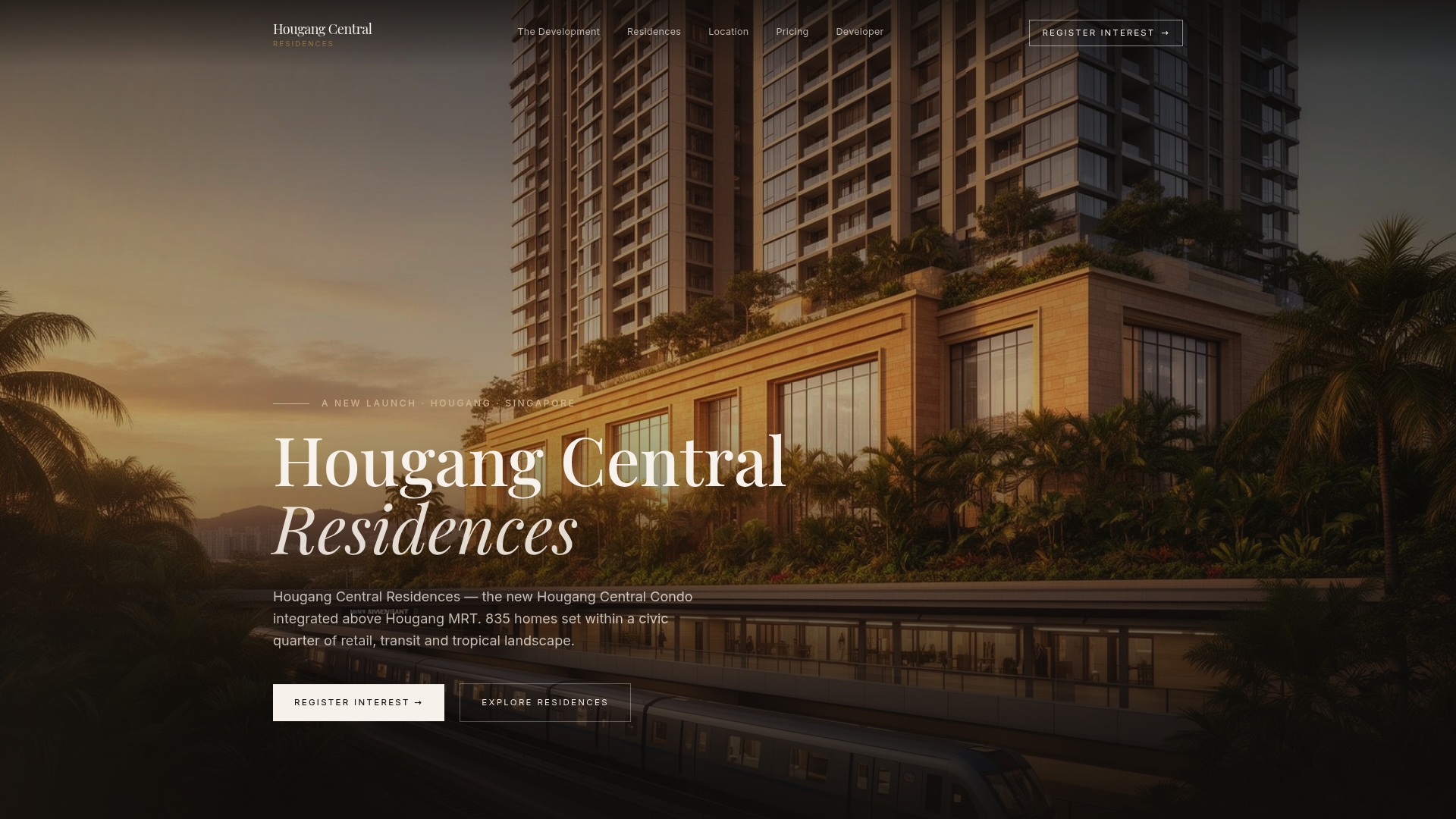
The development offers 835 residences across configurations from one-bedroom to five-bedroom units, with smart-home systems, tropical landscaped wellness areas, and premium European fittings throughout. Retail and transit access sit directly below the building, eliminating the daily friction that undermines work-life balance in most urban settings. Residents gain the productivity infrastructure and recovery amenities that would otherwise require multiple memberships and commutes. Visit Hougang-central-residences to review floor plans, amenity details, and availability for your family's needs.
FAQ
What makes a condo feature a work-life balance feature?
A work-life balance feature is any design or amenity element that supports professional productivity or personal recovery within the building. Dedicated home offices, fiber-optic internet, wellness facilities, and soundproofed co-working pods all qualify.
Do dedicated home offices in condos really command higher rent?
Units with dedicated home offices, fiber-optic internet, and backup power command a 15–25% rental premium over standard units. The separation of work and sleep space is the primary driver of that premium.
How do I evaluate a condo's co-working space before buying?
Count the number of soundproofed video conferencing pods and divide by the total number of units. A low ratio means competition for private space during peak hours, which defeats the purpose of the amenity.
Are wellness amenities worth the higher monthly fees?
Residents who work from home full-time replace gym memberships, co-working subscriptions, and commuting costs with on-site amenities. The net cost difference between a premium building and a cheaper unit with external spending is often smaller than it appears.
What technology features matter most for remote work in a condo?
Smart-home systems controlling lighting, climate, and security, combined with dedicated in-unit fiber-optic internet, are the two technology features with the greatest daily impact on remote work productivity.