
TL;DR:
- Young professionals prioritize amenities that reduce daily stress, such as fitness centers, rooftop spaces, and smart home technology.
- Buildings like Hougang-central-residences integrate transit access, wellness facilities, and smart systems for convenience and resale value.
An amenities checklist for young professional condos identifies the features that directly improve convenience, wellness, and remote work capability in urban living. The industry term for this evaluation process is a "condo amenity audit," and it separates features that reduce daily friction from those that simply look good in a brochure. Fitness centers, rooftop spaces, and smart-home technology rank among the top three most requested amenities in 2026. That tells you where young professionals are putting their priorities. Hougang-central-residences is built around exactly this logic, combining transit integration, wellness facilities, and smart-home systems in a single address above Hougang MRT station.
1. Wellness and fitness amenities worth prioritizing
A resort-style fitness center is the single most requested amenity among young professional condo buyers. The key is not just having a gym. It is having one with enough equipment variety, personal training space, and operating hours that you can cancel your external gym membership without regret.
Look for these features when assessing a building's wellness offering:
- Full cardio and strength equipment, not just treadmills and dumbbells
- A dedicated yoga or stretching studio separate from the main gym floor
- Rooftop outdoor spaces for fresh air, socializing, and low-impact exercise
- An in-building spa or steam room for recovery after long workdays
Peak gym hours run 6–8 AM and 5–7 PM. A gym that fits 10 people during those windows is not a real amenity. It is a liability. Ask the building manager how many units share the facility and visit during peak hours before signing anything.
Pro Tip: Talk to current residents, not just the sales team. Ask them directly whether the gym is crowded on weekday mornings. Their answer tells you more than any floor plan.
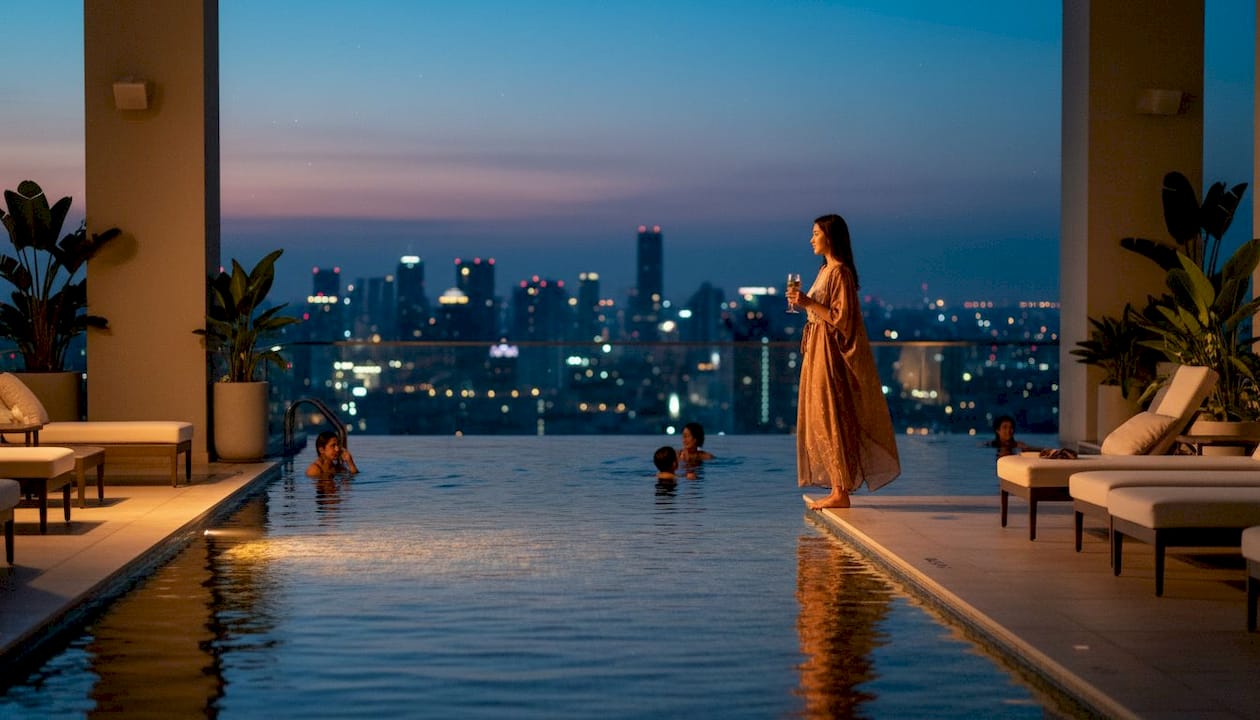
The rooftop facilities in modern condos have evolved well beyond a deck with a few chairs. The best ones include lap pools, landscaped gardens, and barbecue areas that genuinely replace weekend trips to a park or club.
2. Smart-home integration for convenience and security
Smart-home features are no longer a luxury tier add-on. They are a foundational part of what makes a 1-bedroom condo functional for a young professional who works remotely, travels frequently, or simply wants fewer daily hassles.
The most impactful smart-home features for new condos include:
- Keyless entry and smart locks that allow contactless access for guests or service providers
- Digital package management systems with secure, temperature-controlled storage lockers
- Smart thermostats that learn your schedule and reduce energy costs automatically
- High-speed Wi-Fi in co-working lounges and common areas for remote work flexibility
- App-controlled lighting and climate systems in individual units
Pro Tip: Test the building's Wi-Fi in the co-working lounge during a site visit. If it buffers during a video call, it will not hold up during a full remote workday.
Smart locks, thermostats, and high-speed Wi-Fi significantly improve the day-to-day experience for residents who value flexibility. The contactless access feature alone removes a real pain point for anyone who regularly receives deliveries or hosts guests while traveling. Hougang-central-residences integrates smart-home systems across its 835 units, making these features standard rather than optional upgrades.
3. Transit-integrated amenities for urban professionals
Transit proximity and transit integration are not the same thing. A condo that is a five-minute walk from an MRT station is convenient. A condo built directly above the station is a different category of living.
Condos with rain-protected, direct access to transit platforms command a measurable price premium over units that are merely close by. That premium reflects real lifestyle value. You never wait in the rain. You never add 10 minutes to your commute because of a poorly lit pedestrian path.
Key transit-integrated amenities to look for:
- Covered, direct walkway from the lobby to the MRT platform
- Ground-floor or podium-level retail for groceries, pharmacies, and food
- Proximity to future MRT interchange upgrades that increase long-term connectivity
- Integrated bus interchange access for multi-modal commuting
Transit-integrated condos offer lifestyle convenience and a measurable resale advantage over comparable buildings without direct station access. That resale advantage matters when you eventually upgrade or sell. Hougang-central-residences sits directly above Hougang MRT station with covered access and connected retail, which is the standard that the integrated retail condo lifestyle benchmark is built around.
4. Balancing luxury versus foundational amenities
Not every amenity in a building brochure deserves equal weight. Foundational amenities solve daily problems. Luxury amenities look impressive in photos but rarely get used after the first month.
Foundational amenities include a functional gym, secure package delivery, high-speed internet infrastructure, covered parking, and direct transit access. Luxury amenities include golf simulators, wine cellars, and private cinema rooms. The problem is that both categories drive up your monthly condo fees.
| Amenity type | Examples | Maintenance cost impact |
|---|---|---|
| Foundational | Gym, package lockers, Wi-Fi, covered transit access | Moderate, predictable |
| Lifestyle | Pool, rooftop garden, co-working lounge | Moderate to high |
| Luxury/visual | Golf simulator, private cinema, wine cellar | High, often underused |
A recommended maintenance buffer of 0.5% to 1.5% of property value annually accounts for the real cost of keeping amenities functional. Buildings with 20+ amenities often hit the top of that range. That cost flows directly into your monthly fees.
All-in housing costs should not exceed 25–35% of net income to maintain a healthy lifestyle buffer. When you calculate affordability for a young professional condo, include the full maintenance fee in that math, not just the mortgage payment.
Pro Tip: Request the building's reserve fund study before buying. A low reserve fund in a high-amenity building is a warning sign for future special assessments that can cost thousands of dollars.
High-amenity buildings carry a higher risk of large special assessments when aging systems need replacement and reserves are insufficient. That risk is not hypothetical. It is a documented pattern in buildings that prioritized amenity count over financial management.
5. Practical checklist for evaluating condo amenities
A young professional condo selection checklist should go beyond the sales brochure. Use these questions and checkpoints during every property visit.
- Visit during peak hours. Check the gym, pool, and co-working lounge at 7 AM and 6 PM on a weekday to assess real crowding.
- Ask about the resident-to-amenity ratio. A gym shared by 800 units is not the same as one shared by 200.
- Check the package management system. Confirm whether the building has smart lockers or relies on a front desk that closes at 9 PM.
- Inspect amenity condition. Frequent "out of order" signs indicate poor management regardless of how new the building looks.
- Review the reserve fund health. Ask for the most recent reserve fund study and check whether contributions match projected costs.
- Confirm rental restrictions. Some buildings limit short-term rentals, which affects both your flexibility and the building's tenant quality.
- Assess building management responsiveness. Email the management office with a question before you buy. Response time and quality reveal a lot.
- Evaluate security systems. Look for controlled lobby access, CCTV coverage in common areas, and secure underground parking.
- Check co-working space quality. A co-working lounge with secure delivery logistics adds more daily value than a pool that gets used three months a year.
- Verify transit access quality. Walk the actual path from the unit lobby to the MRT platform. Time it. Check whether it is covered and well-lit.
Amenities that solve daily friction deliver better lifestyle and resale value than visual-only features. That is the core principle behind every item on this checklist.
Key takeaways
The most effective condo amenity audit separates foundational features that reduce daily friction from luxury additions that inflate fees without improving your life.
| Point | Details |
|---|---|
| Prioritize foundational amenities | Gyms, smart lockers, Wi-Fi, and transit access solve daily problems better than visual-only features. |
| Verify amenity usability | Visit during peak hours and talk to residents to confirm facilities are functional and not overcrowded. |
| Factor in full monthly costs | Include maintenance fees in your affordability calculation; high-amenity buildings carry higher ongoing costs. |
| Check reserve fund health | A low reserve fund in a high-amenity building signals risk of future special assessments. |
| Transit integration beats proximity | Direct, covered MRT access adds measurable lifestyle value and long-term resale advantage. |
Why I think most young professionals get the amenity checklist wrong
Most buyers walk into a condo showroom and get excited about the wrong things. The rooftop infinity pool photographs beautifully. The golf simulator sounds impressive at a dinner party. But neither one reduces the stress of a Monday morning commute or makes it easier to receive a package when you are working late.
The amenities that genuinely changed how residents describe their daily lives are the boring ones. A covered walkway to the MRT. A smart locker that holds your delivery until midnight. A co-working lounge with reliable internet. These features do not show up in glossy brochures, but they show up every single day.
The transit integration point is the most underrated factor I see young professionals overlook. The difference between a five-minute walk to a station and a direct covered connection is not five minutes. It is the difference between dreading rainy-season commutes and not thinking about them at all. Buildings like Hougang-central-residences, which sit physically above the MRT station, represent a category that most buyers do not even know to ask for until they have lived in a less integrated building first.
My honest advice: build your checklist around friction reduction, not feature count. A building with eight well-maintained, genuinely useful amenities beats one with twenty that are half-broken and overcrowded.
— Simon
Hougang-central-residences: where the checklist becomes reality
Young professionals who want a condo that checks every box on this list should look at what Hougang-central-residences delivers as a complete package.
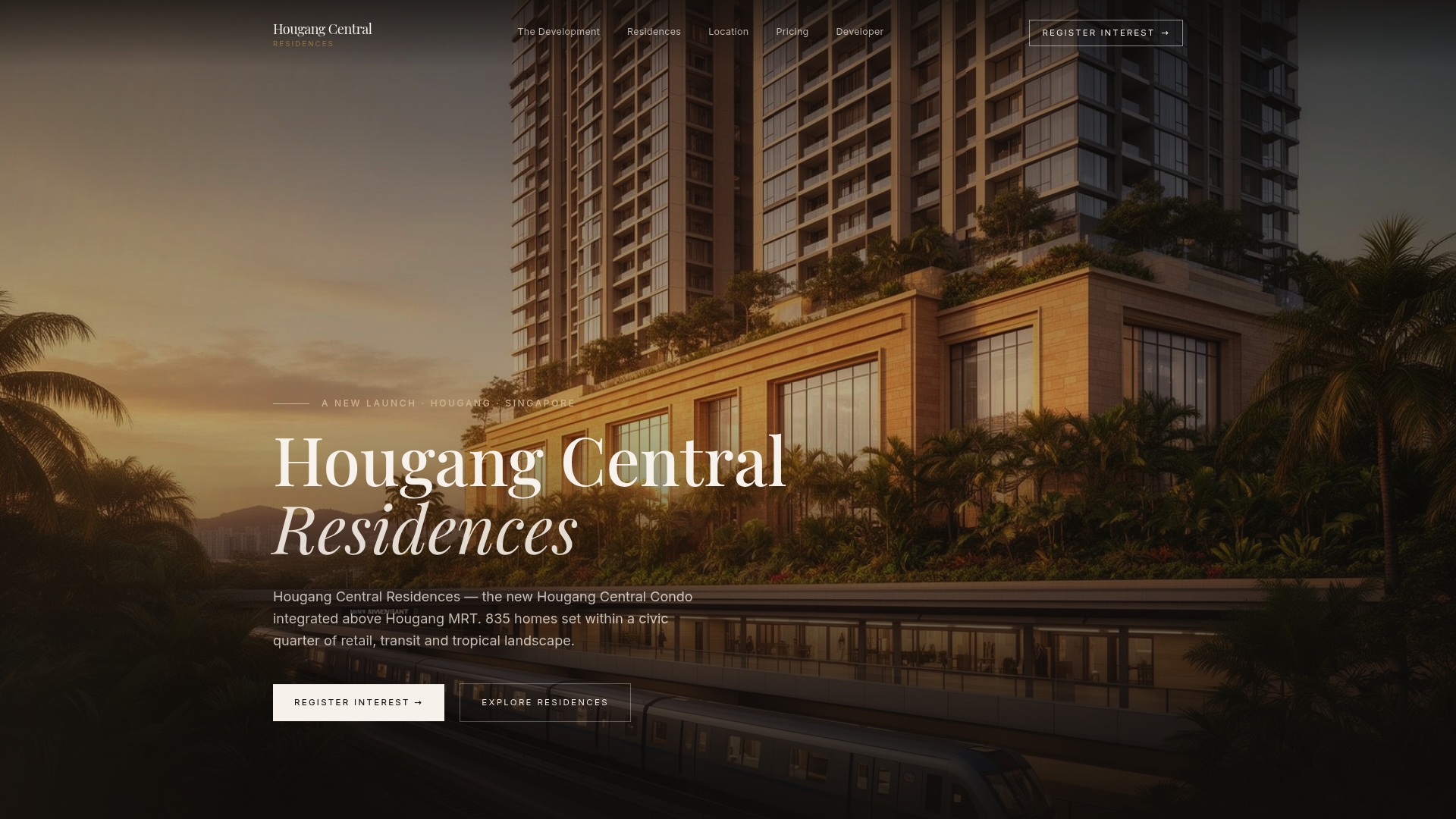
Hougang-central-residences sits directly above Hougang MRT station in Singapore, with covered transit access, connected retail, and smart-home systems built into every unit. The development offers 835 residences across unit types from 1-bedroom to 5-bedroom, with tropical landscaped areas, premium European fittings, and proximity to future MRT interchange upgrades. For young professionals who want to explore Hougang Central Residences, this is the address where transit integration, wellness amenities, and smart living come together without compromise.
FAQ
What are the top amenities young professionals want in a condo?
Fitness centers, rooftop outdoor spaces, and smart-home technology rank as the top three most requested amenities in 2026. Co-working lounges and secure package management systems follow closely for remote-work-focused buyers.
How do I calculate affordability for a young professional condo?
Include the full monthly maintenance fee alongside your mortgage payment. Total housing costs should stay within 25–35% of your net income to maintain a healthy financial buffer.
Why do transit-integrated condos cost more?
Direct, covered access to transit platforms commands a price premium because it delivers measurable daily convenience and a long-term resale advantage over buildings that are merely near a station.
What should I check in a condo's reserve fund?
Request the most recent reserve fund study and confirm that contributions match projected replacement costs for aging systems. A low reserve fund in a high-amenity building is a direct risk factor for future special assessments.
Are more amenities always better in a condo?
More amenities mean higher maintenance fees and greater risk of poor upkeep. Buildings with numerous amenities but weak management often have frequent "out of order" facilities, which reduces the value of every feature on the list.