
A community amenities checklist for retirement condos is a structured evaluation tool retirees use to assess whether a condo community's facilities, services, and design will support an active, comfortable, and financially predictable lifestyle. The best checklists go beyond counting pools and gyms. They measure usability, social programming quality, accessibility design, and the financial health of the Homeowners Association (HOA). Retirees who skip this process often discover too late that a beautifully marketed community delivers little of what they actually use day to day.
1. What core amenities should every retirement condo checklist include?
A retirement condo's core amenities define the daily rhythm of life for residents. The right mix supports physical health, social connection, and mental engagement without requiring residents to leave the building for every activity.
Clubhouse and social spaces are the foundation. A well-designed clubhouse includes gathering rooms for events, a catering kitchen or cafe area, and flexible spaces for clubs and classes. Without a dedicated social hub, community life fragments quickly.
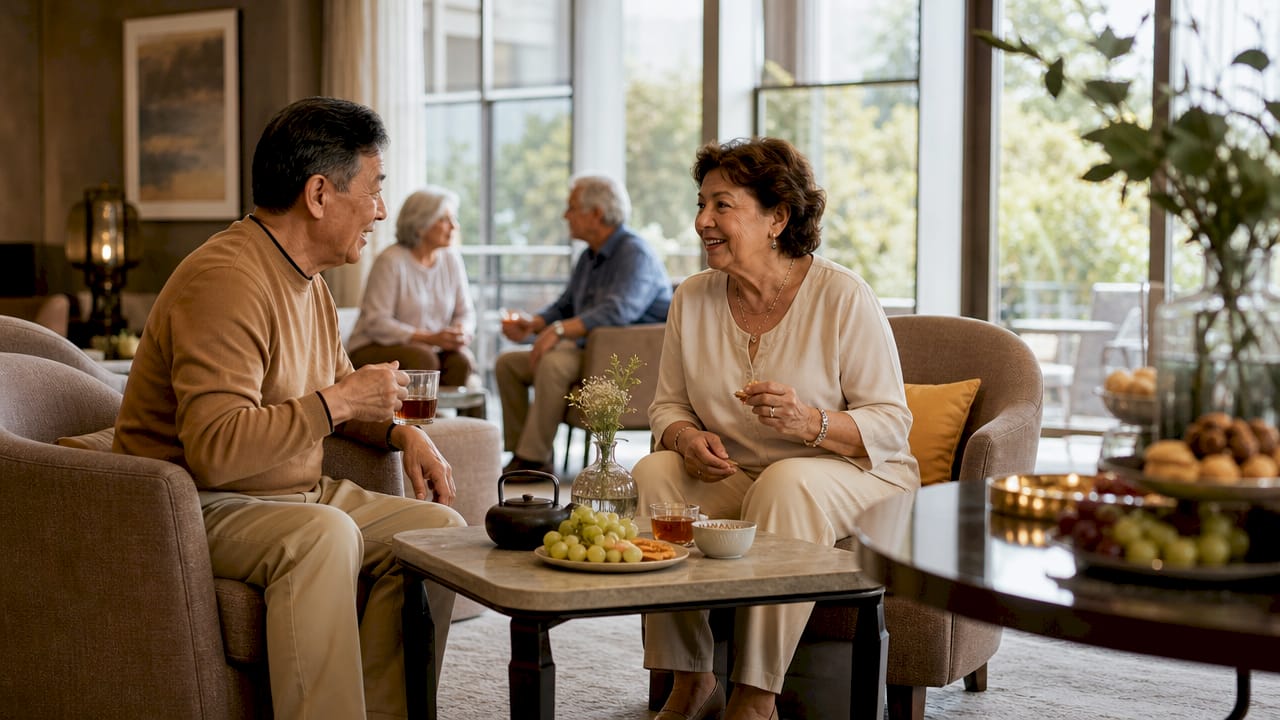
Fitness center quality matters more than size. Look for cardio equipment, free weights, resistance machines, and a dedicated space for group classes like yoga or water aerobics. A fitness center that serves retirees well includes low-impact options alongside standard equipment.
Pool facilities serve double duty. Lap pools support fitness goals, while leisure pools and hot tubs support recovery and social time. Confirm the pool is heated year-round if climate requires it.
Outdoor spaces round out the picture. Walking paths, shaded seating areas, and courts for pickleball or tennis give residents reasons to be active outside. Pickleball in particular has become the defining sport of active adult communities in the United States.
Pro Tip: Ask the community director how many residents actively use each amenity weekly. A gym with 20 regular users in a 300-unit building tells you more than any marketing brochure.
The lifestyle director role is the single most underrated item on any senior-friendly amenities checklist. A skilled lifestyle director converts physical spaces into active social communities. Amenity quantity alone does not create engagement.
2. How to assess accessibility and safety features
Universal design is the industry standard term for building features that work for residents across all mobility levels. Retirees evaluating a condo should treat universal design as a non-negotiable baseline, not a luxury upgrade.
Check these specific features on your walkthrough:
- Grab bars in bathrooms. Confirm they are installed, not just blocked for future installation. Retrofitting grab bars in finished tile bathrooms carries significant cost and disruption. Buildings that include them from construction protect residents and their wallets.
- Door clear-widths. Standard wheelchair-accessible doorways measure at least 32 inches clear. Measure the actual opening, not the door itself.
- Threshold transitions. Flush or ramped thresholds between rooms and outdoor spaces prevent trip hazards for residents using walkers or canes.
- Elevator dimensions. Standard marketing materials rarely disclose whether elevator cars fit an ambulance stretcher. Elevator car size for emergency access is a critical safety specification. Ask the building manager directly.
- Emergency egress routes. Confirm that stairwell widths and ramp grades meet standards for mobility aid use during evacuations.
- Power redundancy. Elevators with backup power generators protect residents during outages, a detail that matters more as mobility decreases with age.
Pro Tip: Visit the building on a weekday evening and a weekend morning. Noise levels near elevators and garbage chutes are rarely apparent during scheduled tours but can significantly affect daily comfort and resale value.
Universal design features built into original construction cost a fraction of what retrofits require later. Choosing a building that already meets these standards protects both your quality of life and your investment.
3. What financial and maintenance factors belong on your checklist?
Condo living does not eliminate maintenance responsibility. It shifts the burden from physical labor to financial management of large-scale infrastructure projects. Retirees who understand this distinction make far better decisions.
HOA fee ranges and increases are the first number to examine. Monthly maintenance and support fees range from $200 to over $1,000 per month depending on bundled services. HOA fees typically increase 3–7% annually. Budget an additional 15% buffer above the stated fee to cover variable costs and potential special assessments.
Reserve fund health is the most important financial metric on any checklist. A reserve fund below 50% funded signals high risk. Underfunded reserves lead to special assessments that can cost residents tens of thousands of dollars with little warning. Always request the most recent reserve study before signing anything.
Warning signs to watch for:
- Frequent special assessments in the past five years
- Pending capital projects not yet funded
- HOA meeting minutes showing deferred maintenance
- Reluctance from management to share the reserve study
Bundled services typically include landscaping, common area cleaning, building insurance, and staffing. Services billed separately often include in-unit repairs, parking, storage, and some utilities. Get a written breakdown of exactly what the monthly fee covers.
Financial experts recommend that total housing costs including mortgage, taxes, insurance, utilities, and HOA fees not exceed 30% of monthly retirement income. Use that benchmark to test whether a community is truly affordable at your income level.
| Financial factor | What to check |
|---|---|
| HOA monthly fee | Current amount and last three years of increases |
| Reserve fund ratio | Request the reserve study; flag anything below 50% funded |
| Special assessments | History of past five years; any pending assessments |
| Bundled vs. billed separately | Written list of included and excluded services |
| Total housing cost | Confirm all-in costs stay within 30% of monthly income |
4. Which additional amenities enhance social life for retirees?
Beyond the core facilities, a strong retiree-friendly condo features checklist includes spaces and programs that support hobbies, social bonds, and daily convenience. These amenities separate communities that feel alive from those that feel like apartment buildings with a gym.
Dedicated hobby spaces make a real difference:
- Arts and crafts studios with proper ventilation and storage
- Community gardens with raised beds accessible to residents using mobility aids
- Card rooms and game lounges for regular club meetings
- Libraries or quiet reading rooms for residents who prefer solitude
Transportation access and healthcare proximity belong on every healthcare proximity checklist for retiree condos. Communities near public transit or those offering scheduled shuttle services give residents independence without requiring car ownership. Proximity to hospitals, clinics, and specialist offices is not a comfort feature. It is a practical necessity that grows more important over time.
Pet-friendliness is a quality-of-life factor many retirees rank highly. Confirm designated pet areas, weight limits, and any breed restrictions before committing. A community that welcomes pets but provides no outdoor relief areas creates daily friction.
Dining services or an on-site cafe reduce the effort of daily meal planning. Confirm whether dining is included in HOA fees or billed separately, and whether meal plans are flexible or mandatory.
Club and event variety signals a healthy community culture. Ask for the last three months of the events calendar. A community with weekly programming across fitness, arts, education, and social categories is one where residents actually show up.
5. How to tailor your checklist to your personal retirement lifestyle
No two retirees want the same community. The best retirement condo selection practice is matching amenities to the life you actually plan to live, not the one that sounds appealing in a brochure.
Start by ranking your priorities honestly. If you swim three times a week, pool quality outweighs a state-of-the-art theater. If you paint or garden, dedicated studio and garden space matters more than a business center. Write your top five non-negotiable amenities before you tour a single property.
Balance luxury features against maintainability. A community with a rooftop terrace, multiple pools, and a full spa carries higher HOA fees and greater reserve fund obligations. More amenities mean more infrastructure to maintain and fund. Choose features you will use, not features that photograph well.
Plan for future mobility needs now. A community that works perfectly for you at 65 should still work at 80. Barrier-free condo design, elevator reliability, and proximity to healthcare are not future problems. They are present-day selection criteria that protect your long-term independence.
Pro Tip: Ask to speak with three current residents during your visit, not residents selected by the sales team. Ask them what they wish they had known before moving in. Their answers will tell you more than any amenity list.
Verify actual amenity usage before committing. A beautiful fitness center used by five people in a 400-unit building is a warning sign, not a selling point. Ask management for participation data on key programs. Communities with a strong lifestyle director show measurably higher resident engagement than those without one.
Budget for the total monthly cost, not just the unit price. Add HOA fees, utilities, parking, dining, and any service add-ons to get the real number. Then apply the 30% income rule to confirm the community is financially sustainable for your retirement years.
Key takeaways
The most effective community amenities checklist for retirement condos prioritizes usability, reserve fund health, and universal design over the sheer number of facilities offered.
| Point | Details |
|---|---|
| Lifestyle director matters most | A skilled lifestyle director drives resident engagement more than amenity quantity alone. |
| Reserve fund health is non-negotiable | Request the reserve study and flag any fund below 50% to avoid surprise special assessments. |
| Universal design saves money later | Accessibility features built into original construction cost far less than retrofits. |
| Apply the 30% income rule | Total housing costs including HOA fees should not exceed 30% of monthly retirement income. |
| Visit multiple times | Noise, atmosphere, and actual amenity use only become clear across multiple visits at different times. |
What I've learned about amenities that actually matter in retirement condos
The most common mistake I see retirees make is choosing a community based on the amenity list rather than the amenity culture. A building can have six pools, a bowling alley, and a rooftop garden. If no one uses them and the HOA is 40% funded, you are buying a liability, not a lifestyle.
The lifestyle director is the single most telling indicator of community health. When I tour a community and the lifestyle director knows residents by name, tracks participation, and runs a packed calendar, I know the amenities are working. When the director's office is empty and the events board is blank, no amount of square footage fixes that.
I am also cautious about communities that resist sharing their reserve study. A well-run HOA shares that document without hesitation. Resistance is almost always a signal that the numbers are uncomfortable. Underfunded reserves are the hidden financial risk that catches retirees off guard years after they move in.
My honest advice: visit at least twice, once during a weekday morning and once on a weekend evening. Sit in the lobby. Watch who comes and goes. Talk to residents in the elevator. The community you are buying into is the people as much as the facilities. The amenities are just the reason they gather.
— Simon
Hougang-central-residences and what it offers retirees
Retirees who want a community built around convenience, connectivity, and thoughtful design will find Hougang-central-residences worth a close look.
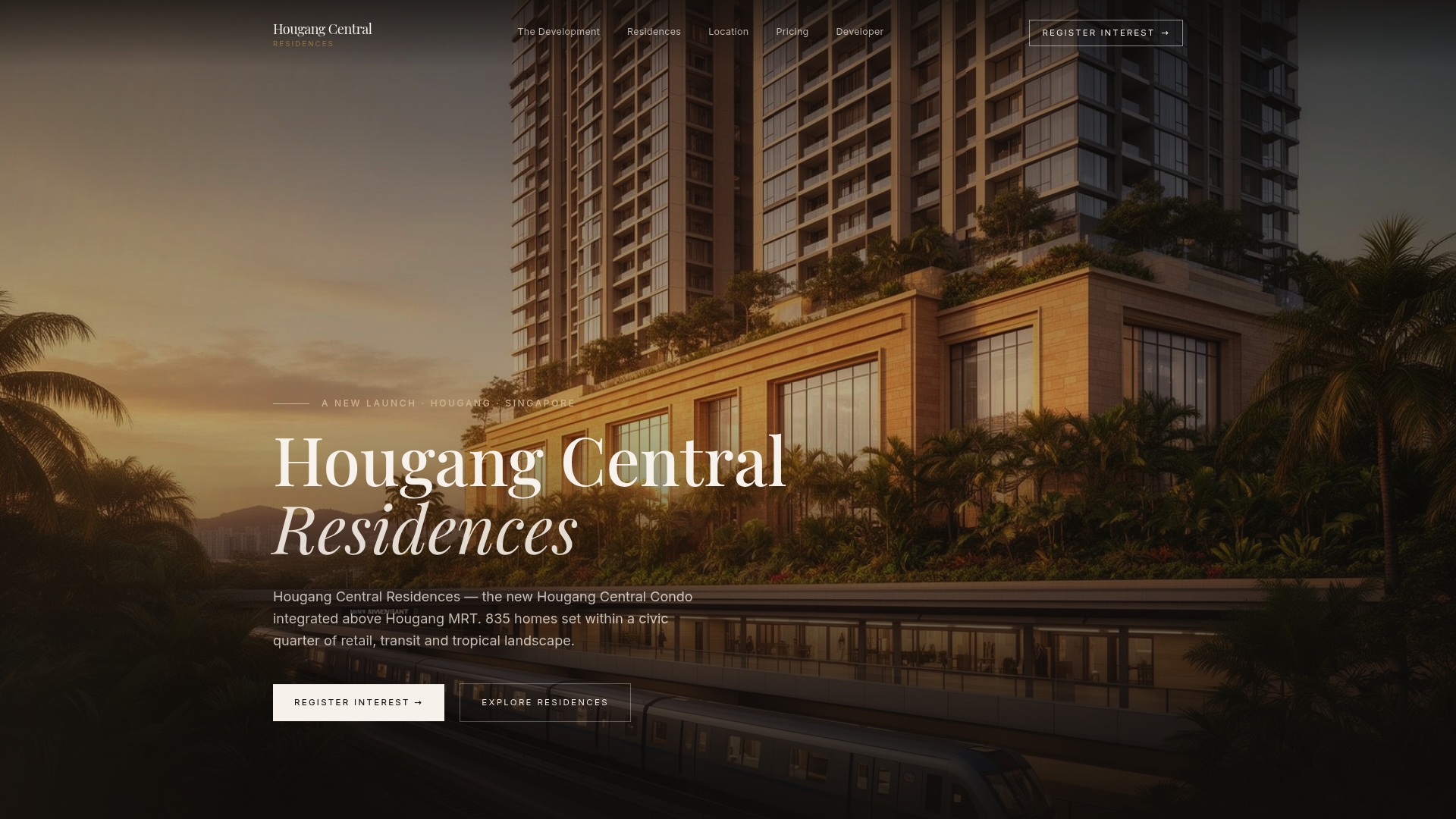
Hougang-central-residences sits directly above the Hougang MRT station in Singapore, giving residents direct access to public transit without a car. The development includes 835 residences across unit types from one-bedroom to five-bedroom homes, tropical landscaped areas, and premium European fittings throughout. Smart-home systems and proximity to future MRT interchanges add practical value that compounds over time. For retirees prioritizing low-maintenance condo living with strong transit access and community-oriented design, Hougang-central-residences delivers a well-considered package worth evaluating in person.
FAQ
What is a community amenities checklist for retirement condos?
A community amenities checklist for retirement condos is a structured list retirees use to evaluate facilities, accessibility features, HOA financial health, and social programming before purchasing or leasing a unit.
How much should retirees budget for HOA fees?
HOA fees range from $200 to over $1,000 monthly and typically increase 3–7% per year. Budget an additional 15% buffer and confirm total housing costs stay within 30% of monthly retirement income.
What is a reserve fund and why does it matter?
A reserve fund is the HOA's savings account for major repairs and capital projects. A fund below 50% funded signals high risk of special assessments that can cost residents tens of thousands of dollars unexpectedly.
What does universal design mean for senior condo buyers?
Universal design refers to building features like grab bars, wide doorways, and flush thresholds that support residents across all mobility levels. Features built into original construction cost far less than retrofits added later.
How do I verify that a community's amenities are actually used?
Ask management for participation data on key programs, request the last three months of the events calendar, and speak directly with current residents during your visit rather than relying on sales team introductions.