
TL;DR:
- Condo apps streamline resident management by facilitating facility bookings, maintenance requests, and access control.
- Integrating these features enhances building security, operational efficiency, and resident satisfaction.
Condo app-based features are the digital tools residents use to manage amenities, communicate with building staff, control access, and handle financial transactions from a single mobile interface. Known in the property technology industry as "resident engagement platforms" or "building management apps," these tools have moved from optional extras to standard infrastructure in modern urban developments. The best app-controlled condo home features cover everything from facility booking and maintenance requests to visitor QR codes and automated package alerts. This guide breaks down what these apps actually do, how they benefit residents and property teams, and what privacy questions every buyer should ask before signing a lease.
What are the core condo app-based features explained?
Standard condo management apps in 2026 cover six functional areas that replace most manual front desk tasks. Each area solves a specific friction point in daily condo living.
Facility and amenity booking lets residents check real-time availability for pools, gyms, function rooms, and BBQ pits. The app enforces booking rules, collects deposits automatically, and sends confirmation receipts. You never need to call the management office or wait in line.

Maintenance request submission works best when residents attach photos and select a category before submitting. Photo and category requirements reduce incomplete requests and speed up resolution because the maintenance team arrives with the right tools and context. Residents can track the status of every request in real time.
Visitor and security management is one of the most visible condo app functionalities. The app generates time-limited QR codes or access PINs for guests. These codes expire automatically, log entry and exit timestamps, and allow guards to verify guests without calling the resident. Vehicle registration links directly to the visitor profile.
Package delivery notifications have become a major resident pain point in high-density buildings. AI-powered package management systems automate intake, deliver photo alerts with timestamps, and enable 24/7 self-service pickup. This reduces front desk labor significantly and eliminates the frustration of missed deliveries.
Financial management covers monthly fee payments, viewing statements, and setting up recurring transfers. Automated reminders prevent late fees without requiring any manual follow-up from management.
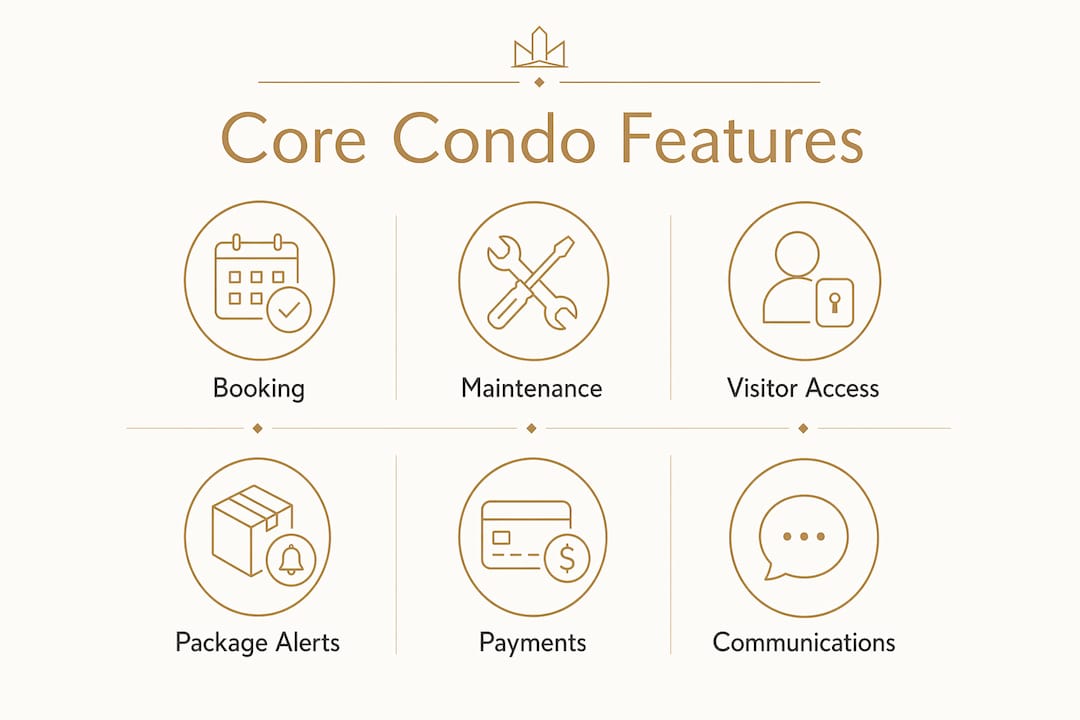
Resident communication channels include push notifications, in-app announcements, and email digests. Management can send targeted notices to specific floors or unit types rather than broadcasting to the entire building.
Pro Tip: Set up recurring payments for monthly maintenance fees the first week you move in. It takes under two minutes and removes one recurring task from your mental load permanently.
How do integrated condo apps improve community living?
The real power of condo management app features comes from integration. When access control, energy monitoring, facility booking, and resident communication run through a single platform, the operational complexity drops sharply for both residents and management teams.
Unified platforms simplify building management and improve cybersecurity by reducing the number of separate vendor systems that each hold resident data. A building running five disconnected apps creates five potential security gaps. One integrated platform creates one.
The benefits for property management staff are equally concrete. Self-service features shift the workflow from reactive chaos to proactive management. When residents book facilities, register guests, and submit maintenance requests without calling the front desk, staff can focus on tasks that actually require human judgment.
Here is how integration changes the resident experience in practice:
- Visitor pre-registration links to access control. You register a guest in the app, and the gate system receives the QR code automatically. No phone calls, no waiting.
- Maintenance requests trigger staff assignments. The app routes requests to the right technician based on category, cutting response time.
- Package alerts connect to lobby access. Some platforms let residents grant temporary lobby access to a trusted neighbor for package pickup.
- Community polls reach all residents instantly. Management can gather feedback on proposed rule changes or new amenities within hours instead of weeks.
- Energy monitoring data informs building decisions. Aggregate usage patterns help management schedule HVAC maintenance before failures occur.
"The true value in condo apps comes from comprehensive integration, which simplifies user experience and improves building operations cybersecurity. Fragmented systems create friction for residents and risk for management. A single, well-designed platform removes both."
The role of app-controlled home features extends beyond convenience. Buildings with higher resident satisfaction scores tend to retain tenants longer and command stronger resale values. The app is not just a utility. It is a retention tool.
What are the security and privacy risks of condo apps?
Condo apps collect more personal data than most residents realize. Guest entries, vehicle plates, and entry timestamps are logged continuously. That data may sit with a third-party vendor whose privacy standards differ from what residents expect from a traditional building management office.
The risks fall into three categories:
- Third-party data storage. The app developer, not the condo management company, often controls where data lives and for how long. Ask specifically who stores your data and under what jurisdiction.
- Behavioral pattern exposure. Entry and exit logs reveal your daily schedule. If that data is breached or sold, it becomes a physical security risk, not just a digital one.
- Weak authentication defaults. Many apps ship with basic password login. Biometric authentication, such as fingerprint or face ID, provides a meaningfully stronger barrier.
- Unsecured access technology. Bluetooth or NFC mobile access is more reliable and harder to intercept than Wi-Fi-based systems in dense urban buildings. Ask your building which protocol the access control system uses.
- Insufficient data deletion policies. When you move out, your historical data should be deleted. Many vendors do not do this automatically.
Treat your resident app as part of your legal housing footprint. The data it generates about your guests and your movements has real-world implications. Before adopting any app, ask the provider four direct questions: What data do you collect? Where is it stored? Who can access it? How long do you retain it after a resident moves out?
Pro Tip: Review your app's permission settings on your phone immediately after installation. Disable location access if the app does not require it for core functions. Most condo apps work fully without continuous location tracking.
How can residents get the most from condo app features daily?
Knowing the features exist is not enough. The residents who get the most from condo app functionalities are the ones who build specific habits around them. These six practices make a measurable difference in daily convenience.
- Set up recurring payments on day one. Monthly maintenance fees paid automatically never incur late charges. The setup takes two minutes and saves you from a recurring administrative task every month.
- Pre-register every guest before they arrive. The QR code system works best when the guest receives their code before they reach the gate. Send it via the app the night before. This eliminates guard delays entirely.
- Link facility bookings to guest registrations. If you are hosting a gathering at the function room, register your guests in the same session as your facility booking. The system connects both records, and your guests gain access automatically.
- Submit maintenance requests with photos and a clear category. A photo of a leaking pipe with the category "plumbing" gets routed to the right technician immediately. A text-only request with no category sits in a queue until someone manually triages it.
- Enable push notifications for package alerts. Package theft in shared lobbies is a real problem. Immediate alerts let you collect deliveries within minutes of arrival rather than leaving them unattended for hours.
- Add all family members to the household profile. Most apps for condo residents support multiple user accounts under one unit. Each family member gets their own access credentials, which means you can track who entered and exited independently.
Managing multiple accounts also matters for security. If a family member moves out, remove their access immediately through the app rather than waiting for management to process a physical key return. The digital credential expires the moment you revoke it.
Pro Tip: Use the community poll and announcement features actively. Residents who engage with governance decisions through the app tend to report higher satisfaction with building management, because they feel heard rather than managed.
Key Takeaways
Condo management apps deliver the most value when residents use every feature actively, from automated payments to visitor QR codes, rather than treating the app as a notification tool only.
| Point | Details |
|---|---|
| Core features cover six areas | Booking, maintenance, visitor access, packages, payments, and communication are standard in 2026 apps. |
| Integration multiplies value | A single platform connecting access, energy, and communication reduces complexity and improves security. |
| Privacy requires active attention | Ask vendors what data they collect, where it is stored, and how long they retain it after you leave. |
| Photo submissions speed maintenance | Attaching a photo and selecting a category cuts resolution time by eliminating back-and-forth triage. |
| Family account management matters | Adding all household members and revoking access immediately when someone moves out protects your unit. |
Why I think most residents underuse their condo app
After spending years watching how urban residents actually interact with building technology, the pattern is consistent. Residents use about 30% of the features available to them, usually the ones the building manager demonstrated on move-in day. The rest sit untouched.
The biggest missed opportunity is visitor management. Most residents still call the front desk to authorize guests, even when the app handles it faster and creates a verifiable record. That record matters more than people realize. If a package goes missing or an incident occurs in a common area, the entry log is the first thing management checks.
The privacy angle is where I think the industry has genuinely failed residents. Buildings market their apps as convenience tools, but the data collection happening in the background is substantial. I have seen lease agreements that require app adoption without disclosing what data the vendor retains. That is a problem. Every resident should read the app's privacy policy before granting permissions, not after.
The features I am watching most closely are AI-driven maintenance triage and predictive facility scheduling. Both are already appearing in higher-end developments. AI triage routes maintenance requests to the right technician without human review, cutting response times significantly. Predictive scheduling uses booking history to suggest optimal facility hours, reducing conflicts. These are not distant concepts. They are arriving in buildings like Hougang-central-residences now.
The residents who will benefit most from these advances are the ones already comfortable with the core condo app functionalities. Build those habits now. The learning curve for the next generation of features will be much shorter.
— Simon
Hougang-central-residences and app-enabled living
Hougang-central-residences integrates the condo management app features described in this guide directly into its 835-unit community above Hougang MRT station. Residents access facility bookings, visitor QR codes, maintenance tracking, and automated payment tools through a single platform designed for the building's specific layout and amenity mix.
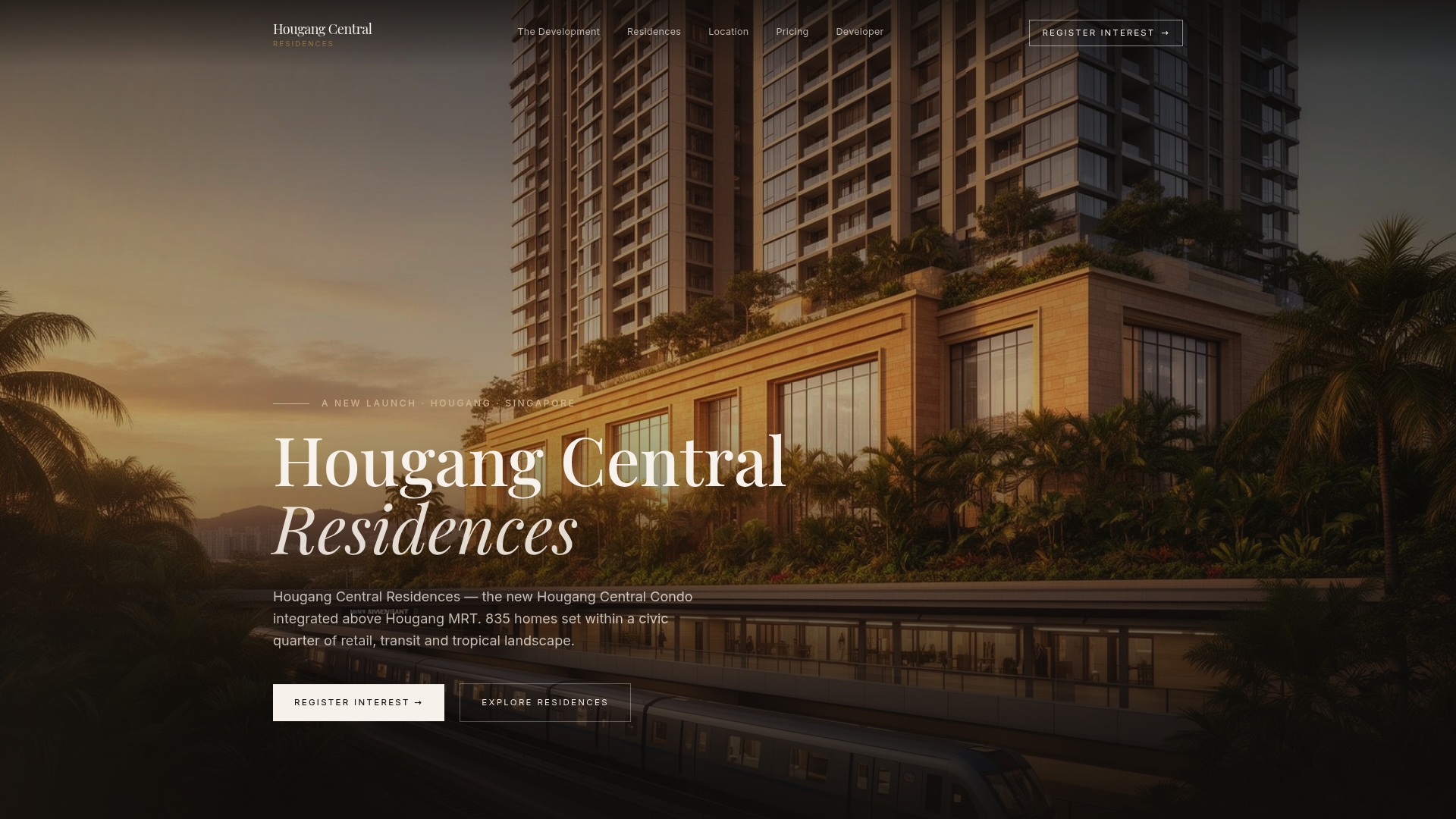
The building's smart-home systems connect to the resident app, giving each household control over their unit and shared spaces from one interface. For buyers evaluating Singapore's urban condo market, the app-enabled community at Hougang-central-residences represents a practical demonstration of everything covered in this guide, built into the purchase from day one.
FAQ
What are condo app-based features?
Condo app-based features are digital tools within a resident mobile app that handle facility booking, maintenance requests, visitor access, package alerts, and fee payments. They replace most manual front desk interactions in modern urban buildings.
How do visitor QR codes work in condo apps?
The resident generates a time-limited QR code or PIN for their guest through the app. The code logs entry and exit timestamps automatically and expires after the set window, so no manual cancellation is needed.
What data do condo apps collect about residents?
Condo apps typically collect guest entry records, vehicle plate numbers, entry and exit timestamps, and payment history. This data may be stored by a third-party vendor, so residents should ask about data retention and deletion policies before adopting the app.
How do I submit a maintenance request that gets resolved quickly?
Attach a photo of the issue and select the correct category before submitting. Standardized intake routes the request to the right technician immediately and eliminates the back-and-forth that delays repairs.
Are app-based access controls secure in urban condos?
Bluetooth and NFC-based mobile access controls are more reliable and harder to intercept than Wi-Fi-based systems in dense urban buildings. Biometric login adds a second layer of protection that basic password authentication does not provide.