TL;DR:
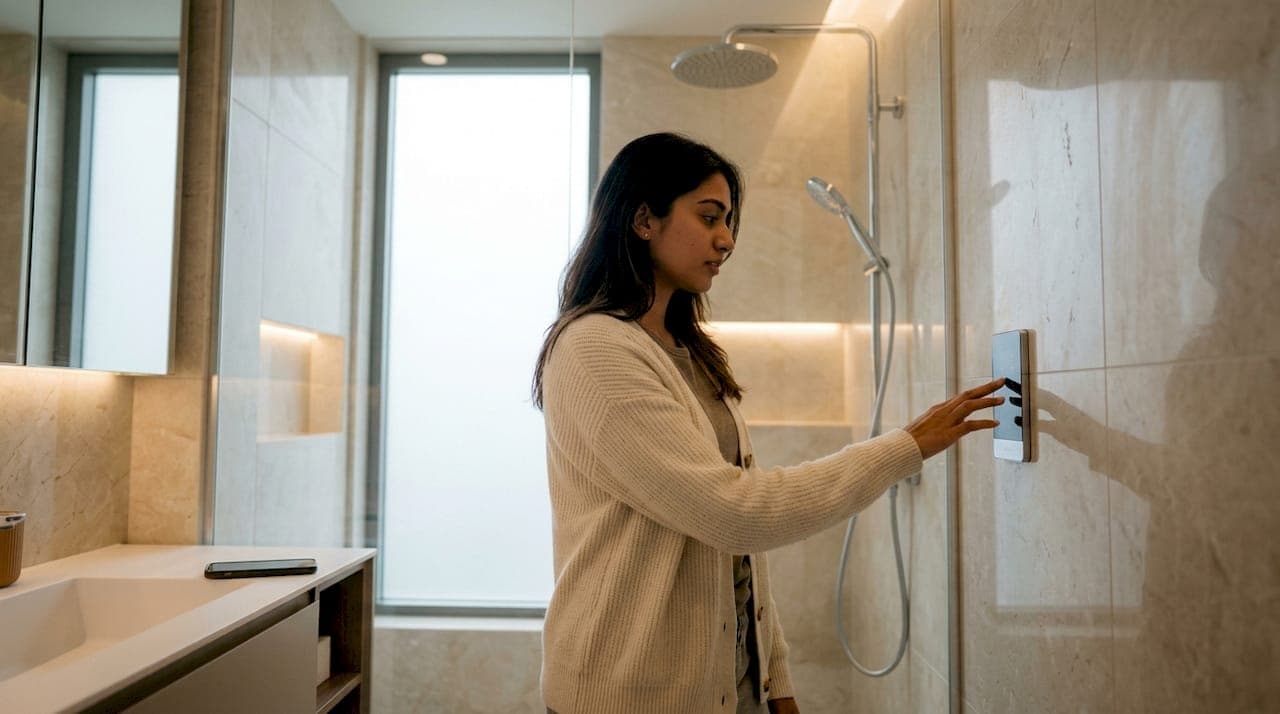
- Smart bathroom features in condos include smart toilets, heated floors, and leak detectors that improve convenience and energy efficiency. Proper planning requires condo board approval and assessment of existing plumbing and electrical systems to avoid costly modifications. Small upgrades like smart mirrors and motion-activated lighting can improve space perception and safety with minimal regulatory hurdles.
Smart bathroom features in condos are technology-driven upgrades that transform standard utility spaces into energy-efficient, convenient, and wellness-focused environments. The industry term for this category is "connected bathroom technology," though most buyers and renters encounter it as smart bathroom upgrades. Understanding what these features actually do, and what they cost you in compliance headaches, separates buyers who get lasting value from those who get expensive regrets. This guide covers smart bathroom features condos explained from the ground up, including which technologies work best in compact multi-unit buildings, what the real installation challenges are, and how to plan upgrades that pass condo board review.
What are the most common smart bathroom features in condos?
Smart bathroom technology in condos centers on five core categories: smart toilets, heated floors, voice-controlled mirrors, motion-activated lighting, and leak detection systems. Each addresses a specific pain point in compact, shared-building living.
Smart toilets offer heated seats, automatic flushing, self-cleaning functions, and water-efficient flush cycles. They reduce water use compared to standard toilets and eliminate the need for separate bidet fixtures, which matters in tight condo layouts. The catch is infrastructure. Smart toilets require stable water pressure and a nearby GFCI-protected electrical outlet. Many condos lack both, making installation more complex than the fixture price suggests.
Heated floors use programmable thermostats that learn your schedule and run only when needed. This cuts energy waste compared to leaving a space heater running. Common smart upgrades in condos include heated floors paired with voice-controlled mirrors and motion-activated LED lighting, all focused on energy savings and safety in small spaces.
Smart mirrors with anti-fog technology and integrated lighting do two jobs at once. They eliminate the need for separate vanity light strips and keep the mirror usable right after a shower. Anti-fog performance and lighting quality matter more than display features when choosing a smart mirror for a condo bathroom. Good lighting also affects how large the room feels.
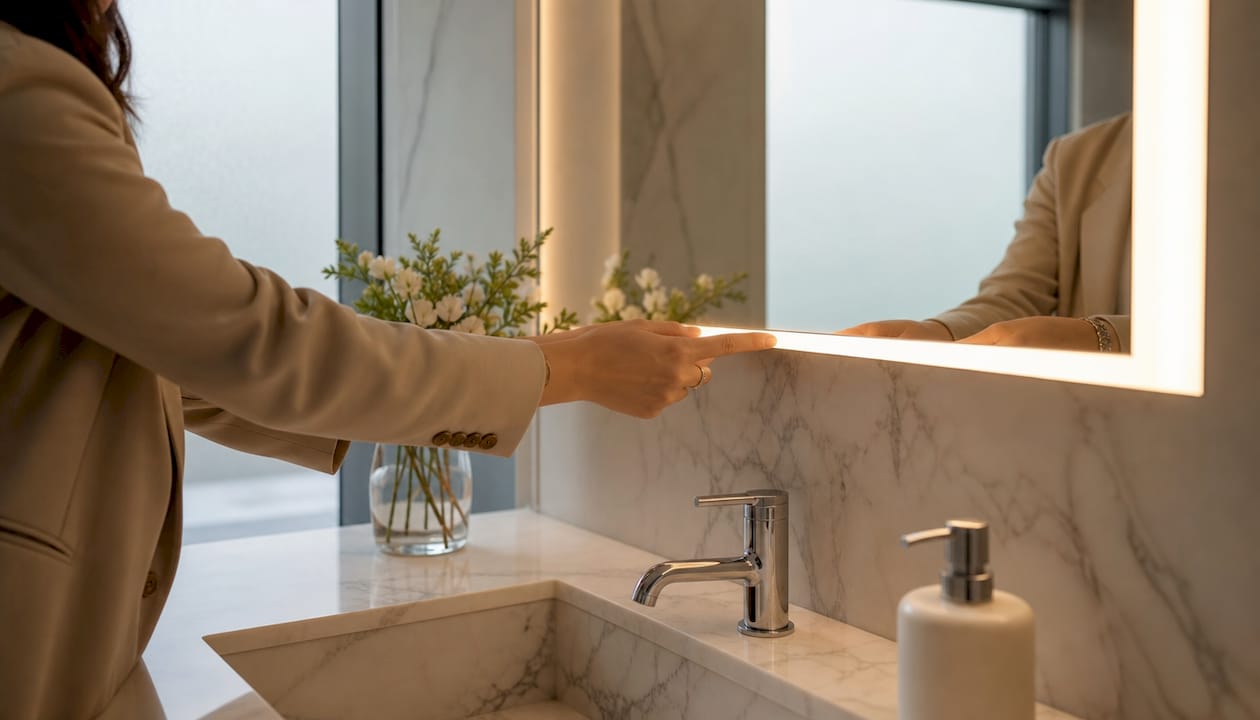
Motion-activated LED lighting turns on when you enter and off when you leave. This removes the "lights left on all day" problem common in shared households and reduces electricity bills without any behavior change required.
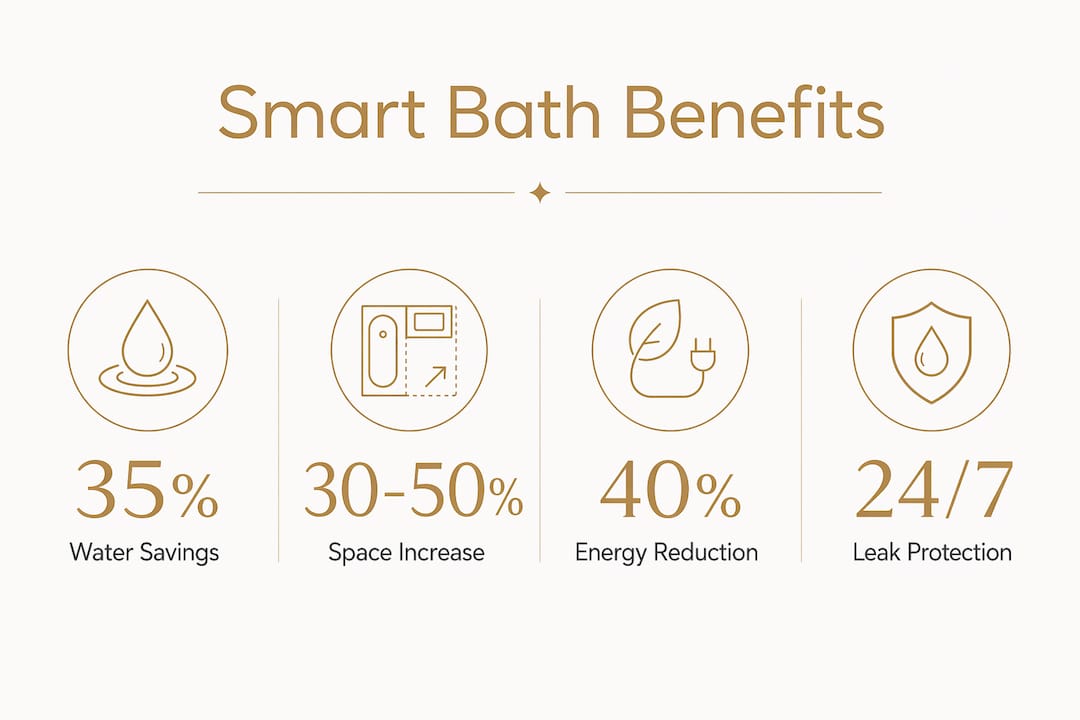
Smart leak detectors are the most underrated upgrade on this list. Leak detection systems can automatically shut off the main water valve when they detect moisture, preventing the kind of water damage that triggers insurance claims and neighbor disputes in high-rise buildings.
Pro Tip: Install a smart leak detector before any other upgrade. It protects your investment and your neighbors' ceilings from day one.
How do space-saving designs make small condo bathrooms feel larger?
Small condo bathrooms, typically in the 35–55 square foot range, feel significantly larger with the right combination of design and technology. The goal is to reduce visual clutter and free floor space without moving walls.
Wall-hung vanities and toilets are the most effective structural change. They expose the floor beneath fixtures, which tricks the eye into reading the room as larger. Thoughtful layouts with wall-hung fixtures can make small condo bathrooms feel 30–50% larger without relocating walls. That is a meaningful perceptual shift for a space where every square foot counts.
Frameless glass shower enclosures remove the visual barrier of a shower curtain or framed door. The eye travels through the glass to the back wall, extending the perceived depth of the room. Paired with a walk-in shower format, this approach eliminates the tub entirely in bathrooms where a tub sees little use.
Lighting design amplifies all of these effects. Layered automated lighting systems like toe-kick motion sensors create depth and make small bathrooms feel larger without crowding fixtures. When synchronized with humidity-controlled ventilation, they also manage moisture automatically.
| Design strategy | Smart technology pairing | Primary benefit |
|---|---|---|
| Wall-hung vanity | Under-cabinet LED strip | Floor visibility, ambient light |
| Frameless glass enclosure | Smart mirror with anti-fog | Open sightlines, clear reflection |
| Minimalist fixture layout | Motion-activated ceiling LED | Uncluttered look, energy savings |
| Toe-kick lighting | Humidity-linked ventilation | Depth perception, moisture control |
Pro Tip: Choose a smart mirror with warm-to-cool adjustable lighting. It replaces your vanity light fixture entirely and cuts one item from your fixture list.
What are the key challenges of installing smart features in a condo?
Installing smart bathroom features in a condominium is not the same as doing it in a house. Shared infrastructure and building governance create constraints that do not exist in single-family homes.
The first constraint is approval. Condo renovation rules require detailed board approval, licensed contractors, and compliance with noise and work-hour bylaws, especially for plumbing or electrical changes. Written approval protects you from being ordered to undo completed work. Get it before any contractor touches a wall.
The second constraint is shared systems. Your bathroom plumbing connects to a stack shared by every unit above and below you. Moving drain lines or supply pipes affects the whole column. Most condo boards prohibit it outright or require engineering sign-off that adds weeks and cost.
The third constraint is electrical. Smart toilets, heated floors, and smart mirrors all need dedicated circuits or GFCI-protected outlets. Adding GFCI outlets or fixing water pressure issues in a concrete-slab building may cost more than the smart fixture itself and still requires board approval.
Here is the practical sequence for navigating these constraints:
- Request your condo's renovation rules document before planning anything.
- Hire a licensed plumber and electrician to assess your existing infrastructure.
- Submit a detailed scope of work to the condo board and get written approval.
- Confirm work-hour restrictions and noise bylaws with building management.
- Use licensed contractors who carry the insurance your building requires.
- Keep all permits and inspection records for future resale documentation.
The smartest approach is to prioritize upgrades that work within your existing plumbing and electrical footprint. Replacing a toilet, mirror, or lighting fixtures in place avoids the approval complexity that comes with moving pipes or adding circuits.
How do smart bathroom features reduce energy costs in condos?
Smart bathroom technology delivers measurable reductions in water and electricity use. The savings come from precision and automation, not from asking residents to change habits.
Low-flow digital thermostatic shower valves maintain exact water temperature without the warm-up waste of manual mixing. Residents stop running the shower for two minutes waiting for hot water. That single change reduces both water consumption and water-heating energy.
Programmable heated floors learn your schedule and run only during occupied hours. A floor that heats for 45 minutes before your morning routine uses a fraction of the energy of a bathroom space heater running all day. The thermostat does the work automatically.
Motion-activated lighting eliminates standby waste entirely. Lights that turn off when no one is present cut electricity use without requiring any conscious action. Voice-controlled mirrors with integrated lighting replace multiple fixtures with one, reducing the total wattage in the room.
Smart leak detection systems prevent the most expensive cost of all: water damage. A slow leak behind a wall can cause structural damage and mold remediation costs that dwarf any utility savings. Automatic shutoff stops that scenario before it starts.
Smart bathroom upgrades also add resale and refinance value. Buyers in the current market recognize connected bathroom technology as a premium feature. Condos with documented smart home systems, including bathroom technology, command stronger offers and appraise at higher values than comparable units without them.
What steps should you take before upgrading your condo bathroom?
Planning a smart bathroom upgrade in a condo requires a specific sequence. Skipping steps creates compliance problems and wasted spending.
- Assess your infrastructure first. Hire a licensed plumber and electrician to check water pressure, drain line locations, and outlet placement before selecting any fixtures. This one step prevents the most common and costly mistakes.
- Review your condo association's rules. Request the renovation bylaws document. Note which changes require board approval, which require permits, and what contractor credentials the building mandates.
- Prioritize in-place replacements. Replacing fixtures without relocating plumbing minimizes renovation complexity and regulatory burden. A smart toilet in the existing footprint is far simpler than one requiring a new drain location.
- Submit for approval before signing any contractor agreement. Board approval timelines vary from two weeks to three months. Build that into your project schedule.
- Hire contractors with condo renovation experience. General contractors unfamiliar with shared-building constraints create compliance problems. Ask specifically for condo renovation references.
- Plan for maintenance access. Smart fixtures need firmware updates, filter replacements, and occasional servicing. Confirm that your installation leaves access panels where needed.
Pro Tip: Start with a cosmetic refresh: new smart mirror, motion-activated lighting, and a leak detector. These require no plumbing moves, minimal board approval, and give you immediate feedback on how smart technology fits your routine before committing to larger upgrades.
Key Takeaways
Smart bathroom upgrades in condos deliver the most value when they work within existing infrastructure rather than against it.
| Point | Details |
|---|---|
| Infrastructure check first | Verify water pressure, outlet placement, and drain locations before selecting any smart fixture. |
| Board approval is non-negotiable | Get written condo board approval before starting any plumbing or electrical work. |
| Space gains without wall moves | Wall-hung fixtures and frameless glass can make a 35–55 sq ft bathroom feel 30–50% larger. |
| Leak detectors protect everyone | Automatic shutoff systems prevent water damage that affects neighboring units and triggers insurance claims. |
| Start small, then scale | Cosmetic smart upgrades like mirrors and lighting require less approval and prove technology fit before major investment. |
Why I think most buyers get smart bathrooms wrong
Most buyers focus on the feature list and skip the infrastructure conversation entirely. I have seen this play out repeatedly. Someone purchases a high-end smart toilet, gets it delivered, and then discovers their condo has no GFCI outlet within reach and water pressure that drops to a trickle during peak morning hours. The fixture goes back. The installation fee does not.
The best-designed smart bathrooms are the ones where you barely notice the technology. Smart bathroom technology transforms bathrooms from basic utility rooms into responsive wellness environments precisely because the best features are subtle and enhance comfort without demanding attention. A heated floor that is already warm when you step out of the shower. A mirror that is clear before you reach for it. Lighting that adjusts without a switch. That is the standard worth aiming for.
The other mistake I see is treating every smart feature as equally worth the compliance effort. In a condo, simplicity wins. A motion-activated LED fixture and a smart mirror with anti-fog lighting deliver daily value with almost no installation friction. A smart toilet with heated water and automatic flushing delivers more, but it demands infrastructure that many buildings cannot support without significant additional cost. Know which category each upgrade falls into before you commit.
The future of connected bathroom technology in condos points toward wellness integration: circadian lighting that adjusts color temperature through the day, ventilation that responds to humidity in real time, and water systems that track consumption automatically. These features are arriving in new developments now. Buyers who understand the infrastructure requirements today will be positioned to adopt them without friction tomorrow.
— Simon
Hougang-central-residences: smart bathroom-ready condo living
Hougang-central-residences is built with smart home integration in mind, making it one of the few developments in Singapore where connected bathroom technology fits naturally into the existing infrastructure. The 835 residences at Hougang Central Residences come with premium European fittings and building systems designed to support modern upgrades without the compliance friction that older condos create.

Residents benefit from a development that has already resolved the infrastructure questions that trip up most condo bathroom upgrades. Water pressure, electrical planning, and building governance are structured to support the kind of smart home bathroom ideas covered in this article. Whether you are considering a 1-bedroom unit or a spacious 5-bedroom home, explore Hougang Central Residences to see how the development supports modern condo living from the bathroom outward.
FAQ
What are smart bathroom features in a condo?
Smart bathroom features are technology-driven fixtures and systems, including smart toilets, heated floors, motion-activated lighting, and leak detectors, that automate comfort and reduce energy use in condominium bathrooms.
Do I need condo board approval for smart bathroom upgrades?
Any upgrade involving plumbing or electrical changes requires written condo board approval. Cosmetic replacements like smart mirrors or motion-sensor lighting typically need less oversight but always check your building's specific bylaws first.
Can smart toilets be installed in any condo?
Not automatically. Smart toilet installation requires stable water pressure and a GFCI-protected outlet nearby. Many condos lack one or both, making a professional infrastructure assessment the required first step.
How much larger can smart design make a small condo bathroom feel?
Wall-hung fixtures and minimalist layouts can make a 35–55 square foot bathroom feel 30–50% larger without moving any walls. Layered automated lighting amplifies that effect further.
What is the easiest smart bathroom upgrade for a condo?
A smart mirror with anti-fog technology and integrated lighting is the lowest-friction upgrade available. It replaces your existing mirror and vanity light in one fixture, requires no plumbing changes, and delivers immediate daily value.