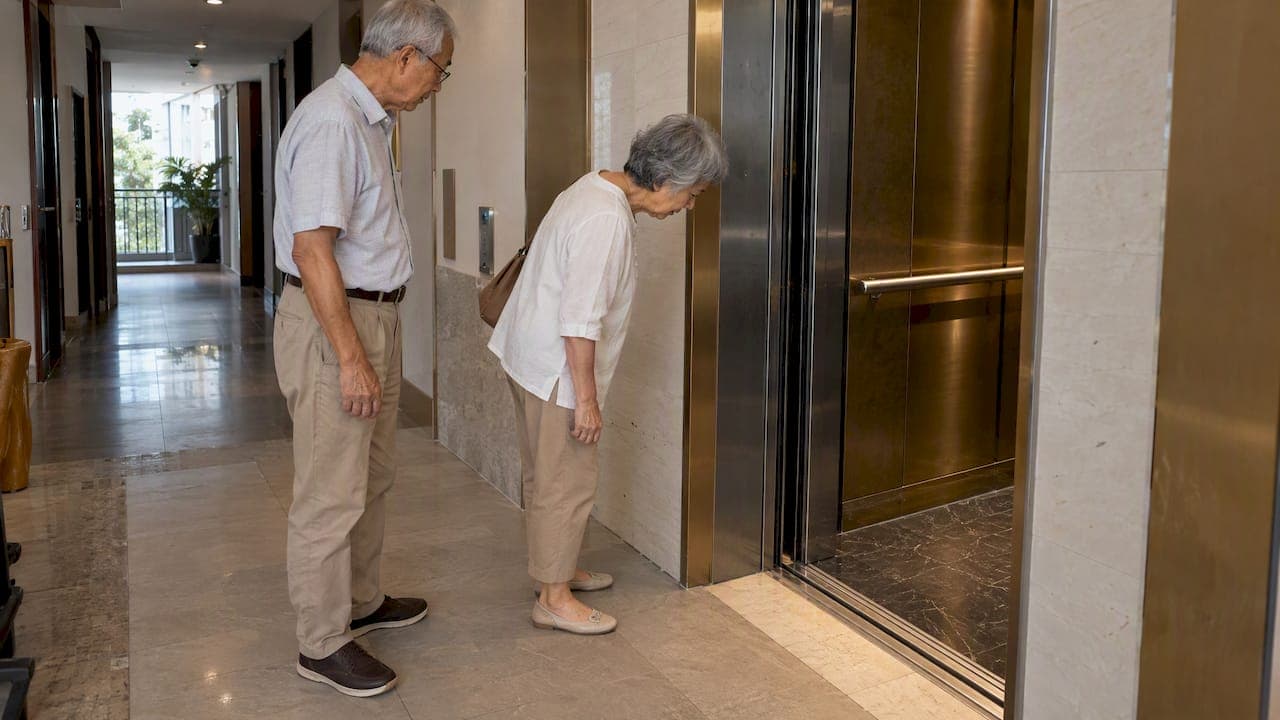
Yes, a condo can support ageing in place when it combines an accessible apartment layout, step-free building circulation, usable lifts, and sheltered connectivity to daily services. Those four factors determine whether a resident can move safely from bed to bathroom to bus stop without help. The checklist, programme context, and trade-offs below explain how to tell whether a specific development actually delivers on them, rather than just claiming to.
TL;DR:
- Condos supporting aging in place must have step-free circulation, usable lifts, and sheltered routes connecting residents to daily services.
- Inside units, wide doorways, grab bars, and accessible bathrooms are essential, but on-site route testing is more reliable than floor plans.
- Confirm eligibility and approval processes for retrofit schemes, since subsidies and rules differ between private condos and public housing.
- Conduct actual route walks during normal errand times to assess shelter, seating, and ease of movement for future mobility needs.
- Broader care plans remain necessary, as housing features alone cannot replace medical care or ongoing social support.
Table of Contents
- What ageing in place means for condo buyers
- Condo features and modifications that support independence
- How to evaluate a condo with an on-site visit
- Programme support for home modifications and assisted housing
- Fall prevention, dementia-friendly design, and staying socially active
- Trade-offs and downsides worth planning for
- Example: ageing-in-place priorities in a real development
- Balancing independence and realistic expectations
- Why Hougang Central Residences fits these priorities
- FAQ
- Sources
What ageing in place means for condo buyers
Ageing in place is not just about the unit itself. Age Well SG's living-environment guidance frames it as a private home that is safe to move around in, paired with an estate that supports mobility and social participation. A condo can have a flawless bathroom and still fail this test if the lift lobby is cramped, the nearest clinic is a 15-minute walk through unsheltered walkways, or there is nowhere to sit and rest along the way.
This distinction matters most for private-condo buyers, who sometimes assume the subsidies and retrofit schemes built for public housing apply automatically to them. They often do not: eligibility, funding caps, and approval processes differ by housing type, and confirming which rules apply to a specific condo is a separate step, covered further down.
Proximity counts for more than convenience. A resident who can walk to a pharmacy, a hawker stall, or a community space tends to stay socially active and catches minor health issues earlier. A resident who is isolated by distance or difficult routes loses both independence and the informal safety net that daily errands provide. The estate, not just the apartment, is the unit of analysis.
Condo features and modifications that support independence
Two categories of features matter: what is inside the unit, and what the building and estate provide around it. BCA's universal design guidance offers a useful benchmark, including lowered counters with knee space, well-placed grab bars, and wide circulation paths integrated with surrounding amenities. Not every condo meets this standard, so it is worth checking rather than assuming.
Inside the unit, look for:
- Step-free thresholds between rooms and at the main entrance.
- Widened doorways that can fit a walker or wheelchair.
- Bathroom clearances generous enough to turn a mobility aid around.
- Grab bars near the toilet and shower, lever-style door and tap handles, and non-slip flooring.
- A kitchen sink with knee space for seated use.
In the building, check lift car dimensions and door type, lobby layout, sheltered drop-off points, covered walkways, and seating along common routes. For residents with memory impairment, simple wayfinding and calming, uncluttered visual cues matter more than decorative finishes, a point echoed in dementia-friendly design research.
Some of these items are subsidized for HDB flats but not automatically for private condos, so confirming eligibility before budgeting for work is essential.
Pro Tip: Ask to see the actual lift car, not just its listed dimensions. A photo rarely shows whether a wheelchair can turn inside it.
How to evaluate a condo with an on-site visit
A floor plan tells you very little about daily usability. The only reliable test is walking the route a resident would actually take, several times a week, from the front door to the places that matter.
- Start at the unit's front door and check the threshold, doorway width, and door weight.
- Walk to the nearest lift, note its size, door type, and whether the call buttons are reachable while seated.
- Continue from the lift lobby to the building's main exit and check for steps, ramps, or uneven surfaces.
- Trace the route to the nearest clinic, pharmacy, food options, and public transport, noting shelter, seating, and crossing points.
- Sit down at any rest points along the way and test whether a walker or wheelchair fits comfortably.
While on-site, ask the management corporation or developer about the approval process for both in-unit and common-area modifications, typical timelines, and whether an occupational therapist assessment is recommended before structural changes. Checking lift lobby accessibility in person catches problems that brochures tend to smooth over, and the same applies to testing sheltered connectivity between the building and nearby transport.
Write down measurements and photos as you go. If anything is ambiguous, request the building's accessibility plans or bring in an occupational therapist before signing anything.
Pro Tip: Visit at the time of day you would actually run errands. Shaded routes at 10am can be exposed and hot by 2pm.
Programme support for home modifications and assisted housing
Several schemes affect what ageing-in-place modifications cost and who qualifies.
- HDB's Enhancement for Active Seniors (EASE) covers bathroom and mobility adaptations for qualifying HDB households, with eligible applications typically answered within 14 working days and installation expected in about 10 weeks. Private-condo owners are not automatically covered and need to confirm separate eligibility.
- The Ministry of Health announced in July 2026 that Community Care Apartment age eligibility will drop from 65 to 55 from the October 2026 BTO exercise, with monthly Basic Service Package fees for existing CCAs expected to fall significantly after new subsidies.
- The Accessibility Fund co-funds upgrades to older private buildings, with rates and caps that vary by building age and the scope of work.
Before committing to any retrofit, contact the management corporation to confirm approval requirements, then check current fund eligibility, since rules and fees are subject to periodic review.
Fall prevention, dementia-friendly design, and staying socially active
Good design reduces risk but does not eliminate it. A cross-sectional study of 925 adults aged 55 and older living in age-friendly apartments found that fall prevention requires exercise, vision screening, and review for urinary disorders alongside environmental changes, not environmental changes alone.

Dementia-friendly design follows similar logic: legible routes, clear anchor points like a lobby or courtyard, and minimal visual clutter help residents with memory impairment navigate independently. When assessing communal spaces, look for seating, shade, and activities that give residents a reason to leave the unit regularly. Routine and social contact are protective in their own right, separate from any physical safety feature.

Trade-offs and downsides worth planning for
Retrofitting a private unit costs money, and the Accessibility Fund's co-funding caps do not cover everything, particularly in newer buildings where rates are lower. Common-area changes, like widening a shared corridor or adding handrails, require management corporation approval, and buyers should get that approval process confirmed in writing before assuming a change is possible.
Even a well-designed condo cannot replace medical care, caregiving, or social support. Housing reduces risk and preserves independence longer, but it works alongside a broader care plan, not instead of one.
Example: ageing-in-place priorities in a real development
A real development can illustrate how these priorities come together by combining sheltered, step-free connectivity from residences to transport and daily errands. A range of unit sizes can offer households flexibility to choose a unit suited to future mobility needs, while smart-home systems and high-quality fittings support everyday convenience.
Balancing independence and realistic expectations
A condo can genuinely support ageing in place, but only when the apartment, the building, and the surrounding estate all hold up to scrutiny. No brochure substitutes for walking the actual route, checking lift dimensions, and asking management about approvals in writing. Families should pair this checklist with an occupational therapist's input and ongoing conversations about care needs, since housing is one part of a longer plan, not the whole of it.
— Simon
Why Hougang Central Residences fits these priorities
Some developments bring these priorities together in one location: sheltered, step-free access to public transport, nearby retail options for daily errands, and smart-home systems that can support residents who want added convenience as mobility changes over time.
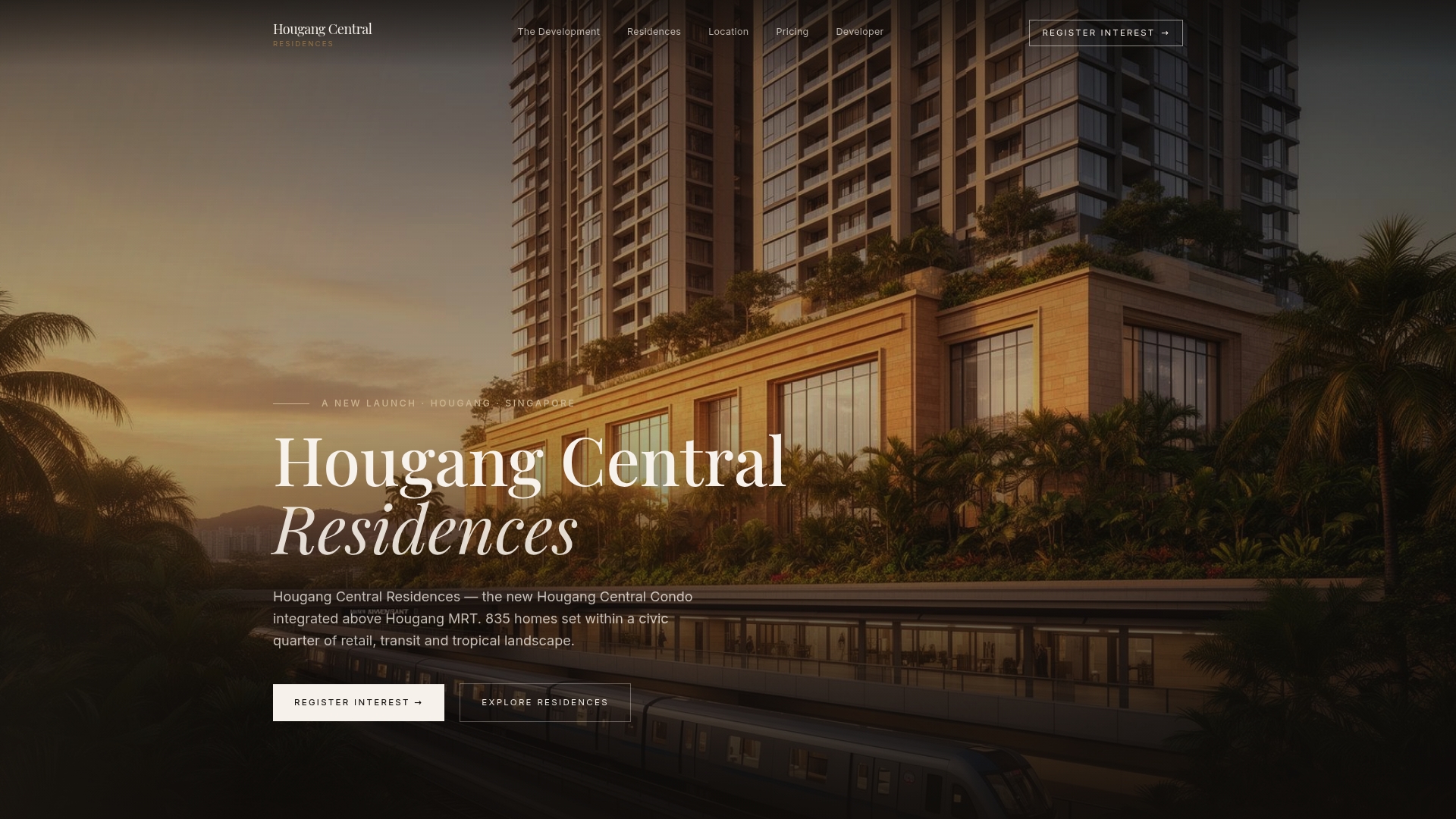
For families comparing layouts against the checklist above:
- Review unit types and floor plans on the residences page.
- Check amenity placement and connectivity on the site plan.
- See current pricing and purchase steps on the pricing page.
Buyers weighing retrofit or purchase costs can also reference this property financing guide for practical budgeting context.
This article is general information, not a substitute for advice from a qualified financial advisor. Consult a qualified financial professional about your own circumstances before acting on anything here.
FAQ
What are the downsides of aging in place?
The main downsides are the cost of adapting a unit, the time needed to get management approval for common-area changes, and the fact that housing modifications alone cannot replace medical care or caregiving. A whole-person care plan is still necessary even after a home is well adapted.
Can a 70 year old buy an HDB flat?
Age alone does not disqualify someone from buying an HDB flat, though eligibility depends on citizenship, family nucleus, and scheme-specific rules set by HDB. Buyers should confirm current eligibility criteria directly with HDB before proceeding, since private-condo purchases follow separate rules entirely.
Should a 70 year old live alone?
Whether an older adult can live alone safely depends on mobility, cognitive health, and how well the home and estate support daily movement and emergency response, rather than age alone. A site visit using an accessibility checklist, combined with input from family and a doctor, gives a clearer answer than a general rule.
Is 55 years old considered a senior citizen in Singapore?
Fifty-five is a meaningful threshold for several programmes: the Ministry of Health lowered Community Care Apartment eligibility from 65 to 55 starting with the October 2026 BTO exercise. This does not mean 55 is a universal definition of senior citizen, since different schemes and services set their own age cutoffs.
Sources
- Age Well SG — Living environment
- HDB — Enhancement for Active Seniors (EASE)
- Ministry of Health — Age eligibility for Community Care Apartments lowered from 65 to 55 years old
- BCA — Accessibility and universal design
- Study on older adults in age-friendly apartments (cross-sectional)