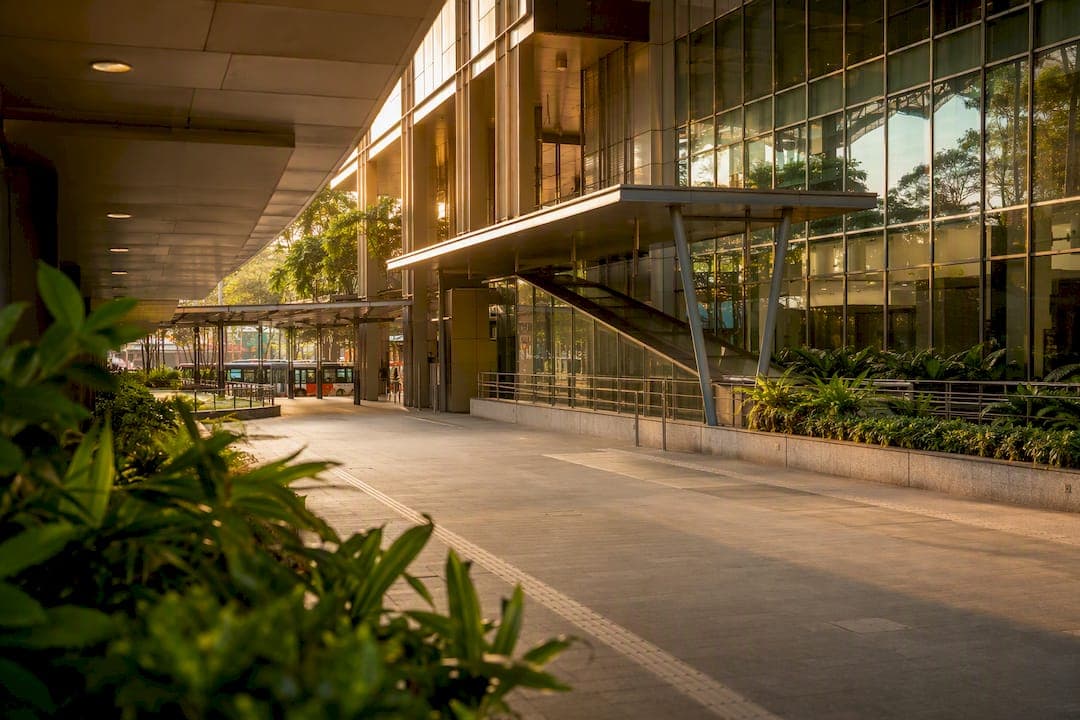
There are 15 operational integrated transport hubs (ITHs) in Singapore as of June 2025: Ang Mo Kio, Bedok, Boon Lay, Buangkok, Bukit Panjang, Clementi, Joo Koon, Sengkang, Serangoon, Toa Payoh, Woodlands, Yishun, Woodleigh, Pasir Ris, and Punggol Coast. An ITH is an air-conditioned bus interchange linked directly to an MRT station and built into a mixed-use development, typically a mall or residential complex, so commuters move from bus to train to shops without stepping outside.
That's the short version. Below you'll find what separates one ITH from another, a full reference list, profiles of the hubs that show the most design variation, and what's coming next under Singapore's long-term transport plan.
Key Takeaways
An integrated transport hub combines a climate-controlled bus interchange, a direct MRT link, and mixed-use development, and Singapore currently operates 15 of them.
| Point | Details |
|---|---|
| Official count | LTA confirms 15 operational ITHs as of June 2025, from Ang Mo Kio to Punggol Coast. |
| Three-part definition | A true ITH needs an air-conditioned interchange, direct MRT access, and mixed-use co-location. |
| Design varies widely | Woodlands goes underground; Sengkang Central prioritizes hawker centres and community space over retail. |
| More hubs are coming | LTMP 2040 names Bidadari, Buangkok, and Punggol North among near-term additions. |
| Coverage beats proximity | A fully sheltered bus-to-train-to-home path matters more than simply living near an MRT station. |
Table of Contents
- Examples of Integrated Transport Hubs in Singapore: What Qualifies
- The Complete List of Operational ITHs
- How Six Notable ITHs Differ in Design and Function
- What's Coming Next in Singapore's Transport Hub Network
- Living Above an ITH: What It Looks Like in Practice
- Why the Official List Matters More Than the Marketing Version
- Sources
- FAQ
Examples of Integrated Transport Hubs in Singapore: What Qualifies
Not every bus interchange near an MRT station counts as an ITH. The Land Transport Authority applies three structural tests before a development earns the label.
- Climate-controlled bus interchange. Buses pull into a fully air-conditioned bay, not an open-air shed.
- Direct MRT connection. Commuters transfer between bus and train without crossing a road or leaving a sheltered path.
- Mixed-use co-location. The interchange sits inside or beneath a mall, residential tower, or civic building rather than standing alone.
The design goal behind all three is speed and comfort at the transfer point. Full-height glass between the concourse and the bus park lets in natural light while keeping the interchange sealed off from heat and rain. Covered linkways connect the bus bays to the MRT gates and the retail podium above, and dedicated lifts and escalators give wheelchair users and parents with strollers the same barrier-free route as everyone else.
Pro Tip: If you're trying to tell whether a station is a true ITH or just a station with a nearby mall, look for the glass wall separating the bus concourse from the street and check whether the escalator from the bus bay leads straight into the MRT gantry without an outdoor crossing.
The Complete List of Operational ITHs
Here's the full roster, with a quick locator for each one.
- Ang Mo Kio ITH — attached to Ang Mo Kio MRT station and AMK Hub mall.
- Bedok ITH — connected to Bedok MRT and the Bedok Mall complex.
- Boon Lay ITH — linked to Boon Lay MRT station on the East West Line.
- Buangkok ITH — built into the Buangkok MRT precinct on the North East Line.
- Bukit Panjang ITH — integrated with Bukit Panjang MRT/LRT and Hillion Mall.
- Clementi ITH — sits beneath Clementi MRT station and The Clementi Mall.
- Joo Koon ITH — connects to Joo Koon MRT station in the west.
- Sengkang ITH — part of the Sengkang Central mixed-use precinct.
- Serangoon ITH — adjoins Serangoon MRT and NEX shopping center.
- Toa Payoh ITH — linked to Toa Payoh MRT station.
- Woodlands ITH — an underground hub beneath Woodlands MRT.
- Yishun ITH — connected to Yishun MRT station and Northpoint City.
- Woodleigh ITH — tied to Woodleigh MRT and Woodleigh Village.
- Pasir Ris ITH — attached to Pasir Ris MRT station and White Sands mall.
- Punggol Coast ITH — the newest addition, near Punggol Digital District.
By the numbers: LTA's own project listing confirms this count of 15 integrated transport hubs as verified in June 2025, making it the most current official tally available to the public.
How Six Notable ITHs Differ in Design and Function
The three structural criteria stay constant, but no two hubs solve the transfer problem the same way. Six examples show the range.
Woodlands goes underground. The interchange sits beneath Woodlands MRT station in a large, space-saving layout that reopened in June 2021 after a multi-year upgrade. Building down rather than out let planners preserve street-level land for civic amenities nearby, and it shows how these hubs get engineered for future capacity, including room for new rail lines, rather than just current demand.
Sengkang Central takes the opposite approach. Instead of maximizing square footage for retail, the development folds in a hawker centre, a community club, and a childcare centre alongside the bus and train interchange. URA's own case study on the project notes that this mix creates a genuine community focal point.
Co-locating civic amenities with transit, rather than just shops, turns a transfer point into a place people linger. That distinction between transactional space and social space is what separates Sengkang Central from a standard mall-over-station layout.
Pasir Ris pairs its interchange with new town facilities and a dedicated shuttle pickup arrangement next to the bus bays, a small operational detail that matters a lot if you've ever waited for a private hire car in the rain.
Punggol Coast functions less like a shopping destination and more like an economic and education node. Its proximity to Punggol Digital District and the Singapore Institute of Technology campus means the hub feeds a working and student population as much as a residential one.
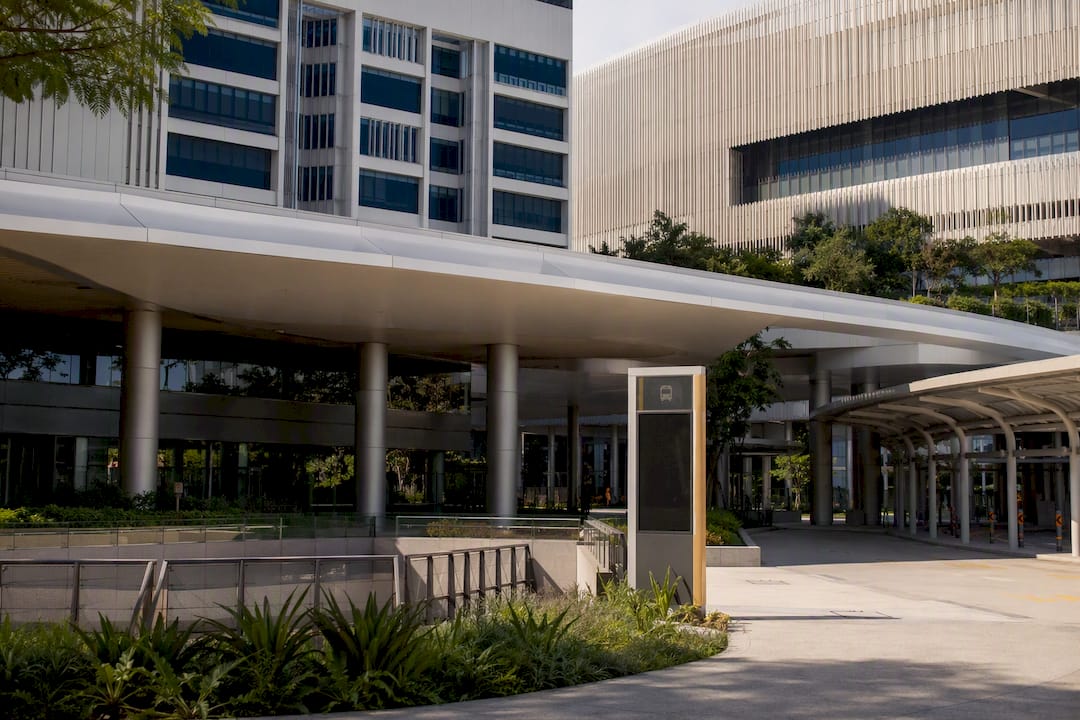
Woodleigh integrates directly with Woodleigh Village and its hawker centre, giving residents in that corridor a food and transit combination within the same covered footprint.
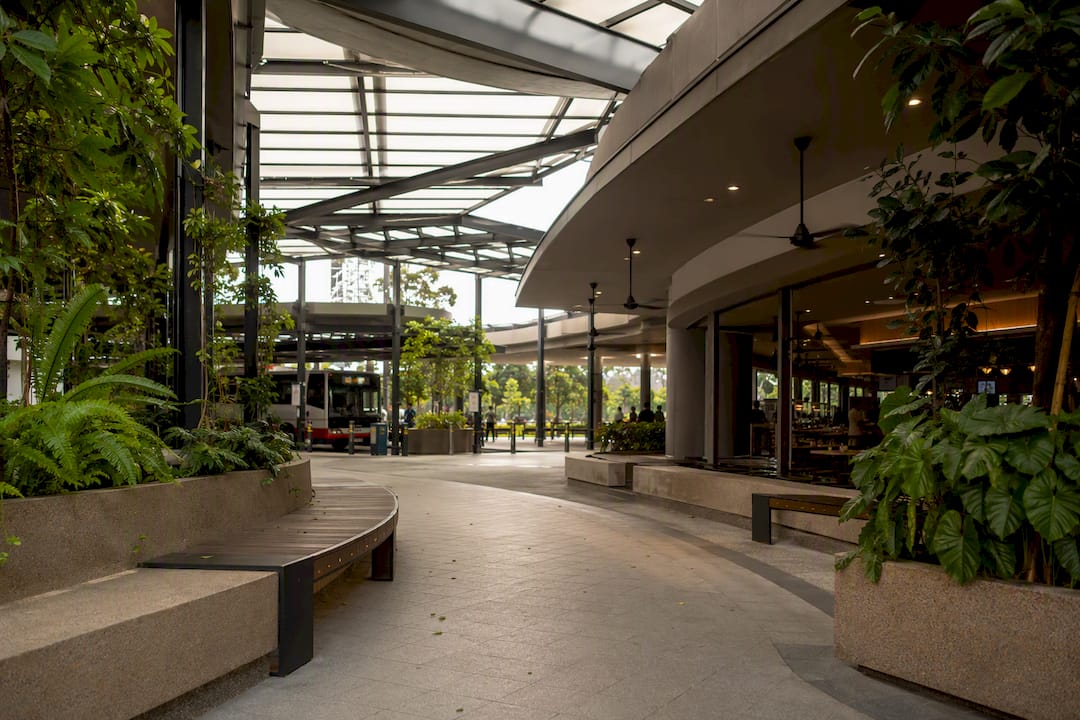
Ang Mo Kio and Clementi both illustrate something different: how an ITH anchors a mature town center rather than a brand-new one. Both hubs were retrofitted into established neighborhoods, proving the model works as a renovation strategy, not just a greenfield design choice.
Vertical stacking and horizontal layering both show up across these examples, and the choice usually comes down to available land and what's already built nearby. Readers curious about the property implications of this kind of stacking can find more detail in Hougang-central-residences's guide to integrated developments.
What's Coming Next in Singapore's Transport Hub Network
The Land Transport Master Plan 2040 names several near-term ITH candidates, including Bidadari, Buangkok expansions, and Punggol North, with longer-term sites planned for other regional nodes as the rail network grows.
- Bidadari, tied to the new town's development timeline.
- Buangkok, building on the existing interchange footprint.
- Punggol North, extending the Punggol Digital District corridor.
Planning rationale: LTA ties these additions to its 20-minute towns concept, where residents reach a regional center and back within a short, seamless bus-to-train trip rather than multiple transfers. New ITHs act as spokes feeding larger MRT interchanges, reducing door-to-door travel time as LTMP 2040 rolls out. Because rail lines and town plans shift over multi-year construction windows, check LTA's published updates before treating any candidate site as confirmed. For readers who want broader context on how these plans interact with community planning, Haio offers additional urban planning resources.
Living Above an ITH: What It Looks Like in Practice
Hougang-central-residences sits directly above Hougang MRT, giving residents the clearest possible test case for what an ITH actually changes about daily life. The development pairs 835 units with an integrated retail podium, smart-home systems, and a future connection to the Cross Island Line.
- No outdoor walk between home, train, and errands, even during a downpour.
- Groceries, dining, and services sit within the same covered structure as the transit gates.
- Smart-home systems reduce the friction of daily routines before residents even leave the unit.
- Future interchange access adds resale and rental appeal as the network expands.
Pro Tip: When comparing any home near an MRT interchange, check whether the connection is covered end to end or just "nearby." A five-minute outdoor walk in the rain defeats most of the convenience an ITH promises. Readers evaluating this tradeoff in more depth can consult Hougang-central-residences's guide to MRT interchange connectivity.
Why the Official List Matters More Than the Marketing Version
Most articles about Singapore's transport hubs blur the line between "near an MRT station" and "a true ITH," and that distinction isn't cosmetic. A hub that meets all three of LTA's criteria delivers a fundamentally different daily experience than a station with a mall next door and an outdoor crossing in between.
The conventional advice tells buyers and commuters to look for "MRT proximity." That's the wrong metric. Proximity doesn't tell you whether you'll be sheltered from rain, whether the transfer takes ninety seconds or eight minutes, or whether the retail podium was designed as a destination or an afterthought. Sengkang Central proves that the best hubs treat civic life, not just retail throughput, as the design brief. Woodlands proves that even land-constrained, decades-old towns can retrofit world-class connectivity if planners commit to it underground.
What readers should prioritize first is simple: check the physical connection before anything else. Ask whether the walk from bus bay to train gate to lobby stays fully covered. Everything else, mall size, unit count, smart-home features, matters less than that one structural fact.
— Simon
Sources
- Integrated Transport Hub - Singapore (LTA)
- Sengkang Central: Not your typical integrated development (URA)
FAQ
How many integrated transport hubs are there in Singapore?
There are 15 operational integrated transport hubs as of June 2025, according to LTA's official listing.
What is an integrated transport hub?
An integrated transport hub is an air-conditioned bus interchange connected directly to an MRT station and built into a mixed-use development such as a shopping mall or residential complex.
What does "Integrated Transport Hub" mean in practice?
It means commuters can move from bus to train to shops or home entirely under cover, without crossing an outdoor road or open-air walkway.
Where is the Yishun Integrated Transport Hub?
The Yishun ITH is connected to Yishun MRT station and adjoins Northpoint City, one of the 15 hubs on LTA's current list.
Are more integrated transport hubs planned?
Yes. LTMP 2040 names Bidadari, Buangkok, and Punggol North among near-term candidates, with longer-term sites planned as the rail network expands.