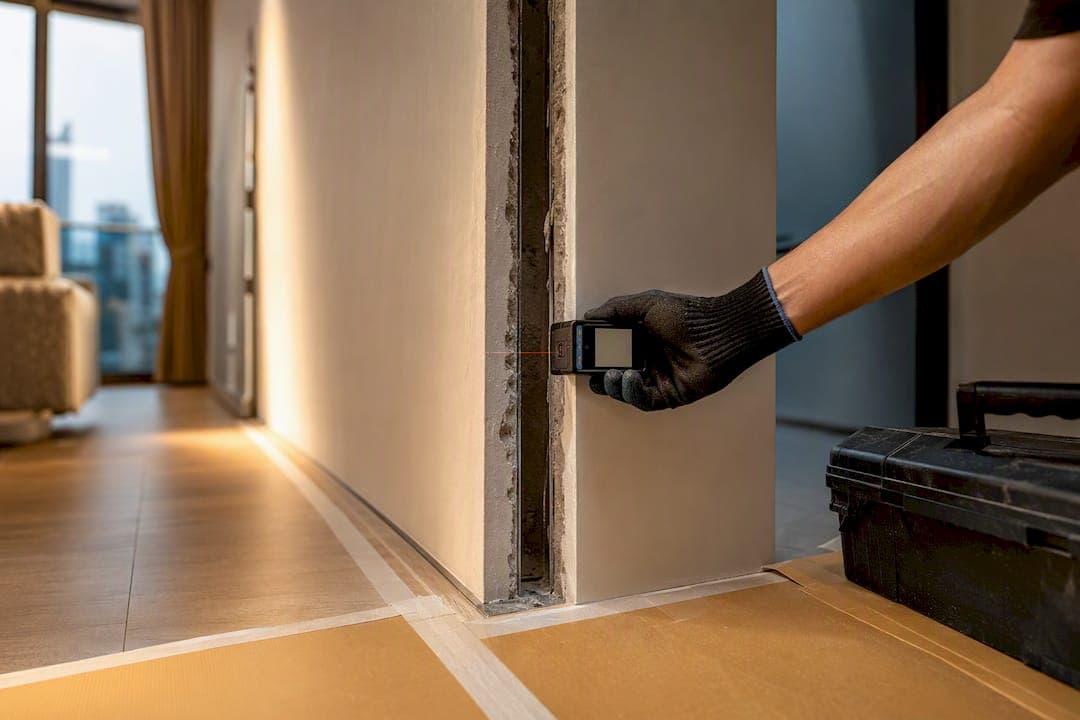
Yes, you can renovate a Singapore condo, but most works need MCST approval, and some need BCA, URA, SCDF, or PUB sign-off too. Before any contractor touches your unit, check your MCST's house rules, confirm your contractor holds the right credentials and insurance, and submit your renovation application through the managing agent. Skip that sequence and you risk a stop-work order before your kitchen is even half hacked.
TL;DR:
- Most renovation works require MCST approval, especially if they involve structural changes, external façade modifications, or increasing the unit's Gross Floor Area.
- Contractors must hold valid BCA registration, and electrical, plumbing, and fire safety work require licensed professionals to prevent delays or insurance issues.
- Waterproofing in wet areas demands a witnessed water-ponding test, with higher deposits and strict supervision to avoid leaks affecting units below.
- Renovation applications should be submitted at least 30 days before starting work, with all documentation prepared to accommodate MCST meeting cycles and inspections.
- Noise restrictions generally limit noisy works to weekdays between 9:00 AM and 5:00 PM, with violations risking stop-work orders and deposit forfeitures.
Table of Contents
- Which authorities control condo renovation rules in Singapore
- What renovations need approval and what doesn't
- How the MCST application process and deposits work
- What are the permitted renovation hours in Singapore condos?
- Contractor credentials and safety checks you must verify
- Wet works, waterproofing tests, and protecting the unit below you
- Penalties, stop-work orders, and how disputes get resolved
- Your condo renovation checklist and realistic timeline
- New launch buyers and the defect liability period explained
- Practical tips from Simon on avoiding approval delays
- Sources
- FAQ
Which authorities control condo renovation rules in Singapore
Your MCST (Management Corporation Strata Title) runs the day-to-day rulebook, but it isn't the only body with a say in your renovation. Four other agencies can get involved depending on what you're touching.
The MCST enforces by-laws under the Building Maintenance and Strata Management Act, which gives it authority over common property, party walls, building façades, and overall estate aesthetics. This is why you can't just repaint your balcony a different color or swap out window frames without asking first. The MCST's job is protecting the shared building envelope and the interests of every other owner in the estate.
BCA (Building and Construction Authority) steps in whenever a renovation touches structural elements. BCA guidance is explicit that most internal works affecting common property or structural integrity need MCST approval, and anything structural needs a Professional Engineer signing off through a formal building control submission. Removing a wall you assume is non-load-bearing without checking first is one of the fastest ways to end up with a stop-work notice.
URA (Urban Redevelopment Authority) only enters the picture when your renovation changes the building's planning footprint. According to URA, internal works inside your unit don't need planning permission as long as they don't increase the total Gross Floor Area. The moment you enclose a balcony or extend a floor slab in a way that adds GFA, you're looking at a 90% MCST resolution plus a URA planning submission, a process that can add months to your timeline.
SCDF and PUB matter for narrower but critical reasons. SCDF's fire safety requirements apply if your renovation affects sprinklers, smoke detectors, or other fire safety systems, often requiring a Qualified Person's involvement. PUB's role kicks in for anything touching water risers, meters, or shared plumbing infrastructure.
A quick reference for who to check with:
- MCST: common property, façade changes, house rules, deposits
- BCA: structural alterations, Qualified Person submissions
- URA: any change that increases Gross Floor Area
- SCDF: work near sprinklers, alarms, or fire safety systems
- PUB: plumbing risers, water meters, shared water infrastructure
What renovations need approval and what doesn't
Most owners assume cosmetic work is a free-for-all. It usually is, but "usually" is doing a lot of work in that sentence, and many MCSTs still want notification even for minor jobs.
Painting walls, replacing kitchen cabinets, retiling a bathroom floor without touching the waterproofing membrane, swapping light fixtures, or installing new flooring over the existing screed typically fall into the low-scrutiny category. You'll still want to flag these to your MCST or managing agent, partly to stay on record and partly because some estates require notification even for like-for-like swaps.
The high-scrutiny list is where owners get tripped up:
- Hacking cement screed, especially in bathrooms or kitchens
- Removing or altering structural walls, beams, or columns
- Enclosing a balcony or service yard
- Changing external façade elements, including window size or type
- Any work that increases enclosed floor area
Three triggers push a renovation from routine to regulated: an increase in GFA, interference with fire safety systems like sprinklers or smoke detection, and any visible change to the building's external appearance. Hit any one of these and you're in Professional Engineer or SCDF territory, not just a chat with your managing agent.
Pro Tip: Before signing a contract, ask your contractor to walk through your floor plan and flag every item on the high-scrutiny list. A contractor who can't identify a load-bearing wall from a partition wall is a red flag, not a bargain.
How the MCST application process and deposits work
Filing with your MCST isn't complicated, but it is procedural, and procedural things move slowly if you start late.
Most MCSTs ask for the same core package:
- A completed renovation application form
- Floor plans or drawings showing the scope of work
- Proof of your contractor's BCA registration
- Contractor insurance certificates, including public liability coverage
- Licensed Electrical Worker (LEW) or Professional Engineer endorsements, where the work requires them
Timing catches more owners off guard than the paperwork itself. Many MCST councils meet on a monthly cycle, and practitioner guides describe a common pre-application window of 14 to 30 days before work can start. Experienced contractors build in a 30-day buffer as standard practice, precisely to avoid getting stuck waiting for the next council meeting.
Renovation deposits exist to protect the estate, not to inconvenience you. They typically cover:
- Damage to lifts, corridors, or common area finishes during transport of materials
- Unrectified defects discovered after the work is complete
- Failure to clean up or restore shared spaces used during the renovation
Deposits get forfeited, in whole or in part, when damage isn't repaired or when work deviates from what was approved. If you're planning wet-area work, expect the deposit requirement to run higher, a point worth budgeting for early rather than discovering at application stage.
What are the permitted renovation hours in Singapore condos?
Noise rules vary by estate, but the pattern across most MCSTs is consistent. Local renovation guides note that noisy works are commonly restricted to weekdays, often between 9:00 AM and 5:00 PM, with many MCSTs banning noisy work entirely on weekends and public holidays. Always confirm the exact window with your own MCST or managing agent since some estates allow limited Saturday hours and others don't.
MCSTs enforce these hours through security patrols, resident complaints, and contractor sign-in logs at the loading bay. Breach the hours repeatedly and you risk a formal warning, partial deposit forfeiture, or in persistent cases, a stop-work order.
If a neighbor's renovation is running past the agreed hours, document it properly before escalating:
- Timestamp photos or video of the noise and the time it occurred
- Report the incident to building security or the managing agent in writing
- Keep a log if the issue is recurring rather than a one-off
For noise that continues despite MCST intervention, NEA's noise pollution guidance outlines when a complaint escalates beyond the estate's internal process. Most disputes resolve at the MCST level long before that becomes necessary.
Contractor credentials and safety checks you must verify
Hiring based on price alone is how owners end up with stalled renovations and voided insurance claims. Three credentials matter more than any quote.
Structural or regulated building works need a BCA-registered contractor, and anything touching load-bearing elements needs a Qualified Person or Professional Engineer involved in the submission. BCA's renovation works guidance is clear that certain categories of work fall under building control rules specifically because of this risk.
Electrical rewiring requires a Licensed Electrical Worker (LEW). If the renovation increases your unit's electrical load, coordination with SP Group is also required. Skipping this step doesn't just risk a fine. It creates real insurance exposure if a fire or fault traces back to unlicensed wiring.
Plumbing work involving risers or water meters needs a PUB-licensed plumber, since these are shared infrastructure connections that affect the whole stack, not just your unit.
- Confirm BCA registration status before signing any contract
- Ask for the LEW's license number for electrical work
- Verify PUB licensing for riser or meter-related plumbing
- Request public liability insurance certificates, not just a verbal assurance
- Check whether your MCST requires lift protection padding during material transport, which most do
Pro Tip: Ask your contractor for their BCA registration number and cross-check it yourself rather than taking their word for it. It takes two minutes and it's the single easiest way to avoid hiring an unlicensed outfit.
Wet works, waterproofing tests, and protecting the unit below you
Hacking screed in a bathroom or kitchen carries more risk than almost any other renovation task, because a failed waterproofing job doesn't just affect you. It leaks into the unit below.
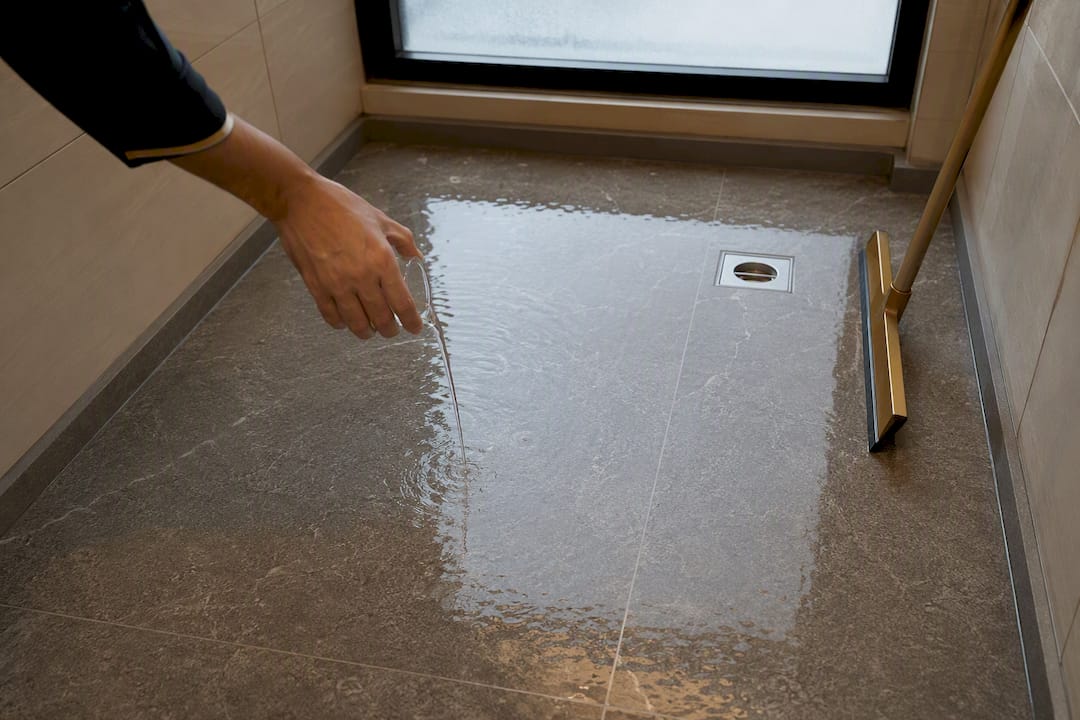
That's why wet-area work typically triggers higher deposit requirements and closer supervision from the managing agent. One practitioner account notes that hacking cement screed in wet areas often doubles the standard deposit and can require a witnessed test before the MCST signs off on completion.
The standard verification method is a 24-hour water-ponding test. Water is held on the newly waterproofed surface for a full day while the managing agent or an appointed surveyor observes for any signs of seepage, with photographic timestamps taken at the start and end of the test.
To protect yourself and your downstairs neighbor:
- Require a documented waterproofing scope from your contractor before work starts, not after
- Insist on a signed test report witnessed by the managing agent, since this is commonly required to release your deposit
- Build curing time into your schedule. Rushing the waterproofing layer to hit a moving deadline is the most common cause of leaks discovered months later
- Ask for a written waterproofing warranty separate from the general renovation contract
Skipping the witnessed test to save a week rarely saves money in the long run. A leak claim against you months after handover costs far more than the delay ever would.
Penalties, stop-work orders, and how disputes get resolved
MCSTs have real enforcement teeth, and they use them more often than owners expect.
The most immediate response to unapproved or unlicensed work is a stop-work order, frequently issued right at the loading bay when a contractor without proper documentation tries to bring materials in. Contractors caught doing unlicensed work can be evicted from the site entirely, and owners face deposit forfeiture when damage goes unrepaired or when completed work doesn't match what was approved.
- Stop-work orders halt all site activity until documentation is corrected
- Unlicensed contractors can be barred from the estate
- Deposits are forfeited, in part or in full, for damage or non-compliant work
- Some MCSTs apply daily overrun penalties for renovations that exceed their approved timeline
If you disagree with an MCST decision, revising your plans to meet the council's stated conditions is usually the fastest fix. When that doesn't resolve things, mediation is the next step, and unresolved disputes over council decisions can be escalated to the Strata Titles Board, which has statutory authority to hear appeals under the Building Maintenance and Strata Management Act. Few disputes reach that stage, but knowing the path exists changes how you negotiate earlier on.
Your condo renovation checklist and realistic timeline
A renovation that runs smoothly almost always starts with paperwork done weeks ahead of the first hammer swing, not the week of.
Before you commit to a start date, work through this sequence:
- Get your MCST's renovation handbook, or confirm the managing agent if the MCST hasn't formed yet
- Collect your contractor's BCA registration, insurance certificates, and any LEW or PE credentials the scope requires
- Submit your MCST application at least 30 days before your intended start date
- Confirm your renovation deposit amount and payment method
- Schedule wet-area work with enough buffer for waterproofing curing and a witnessed test
On timeline, budget realistically: application lead time of 30 or more days, an actual renovation period of 4 to 12 weeks depending on scope, and a buffer for MCST meeting cycles and inspection scheduling. A simple cosmetic refresh moves fast. A full gut renovation with structural changes and new plumbing runs much longer once you factor in Professional Engineer submissions.
On cost, a few categories consistently eat the biggest share of budget:
- Kitchen and bathroom renovations, driven by plumbing, waterproofing, and fixtures
- Structural work, which adds Qualified Person or PE fees on top of construction cost
- Waterproofing scope, especially where a witnessed test and warranty are required
- A contingency fund for remedial work if a test fails or an inspection flags an issue
Owners who skip the contingency line are the ones most often blindsided by a failed water-ponding test that forces a redo.
New launch buyers and the defect liability period explained
If you're renovating a new launch where the MCST hasn't formed yet, your point of contact is the appointed managing agent, and you follow the handover renovation guidelines they issue rather than an MCST handbook that doesn't exist yet.
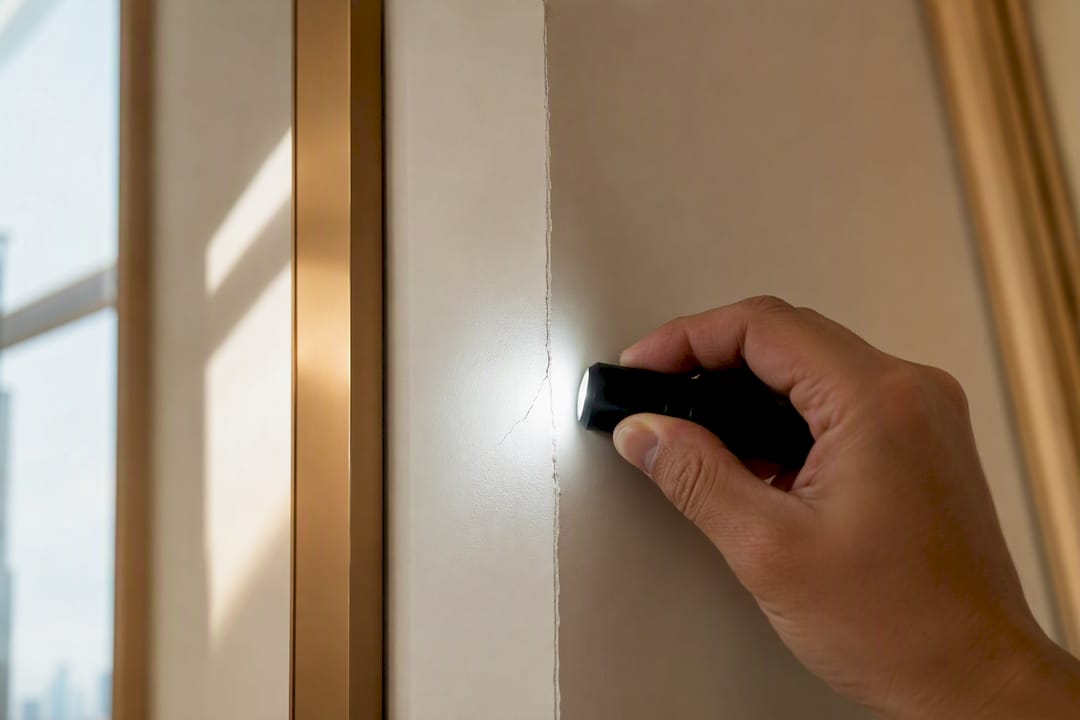
Before any renovation work begins, report defects during the Defect Liability Period so your claims stay valid under the Sale and Purchase Agreement. Once you start hacking or altering finishes, proving a defect existed at handover gets much harder.
For buyers considering a unit at Hougang Central Residences, the development's smart-home systems and European fittings are part of the developer handover package, which means checking what's covered before modifying those fixtures matters more than it would in an older resale unit. Development documents and handover details are available for review before you finalize any renovation plans.
Practical tips from Simon on avoiding approval delays
File your MCST application 30 days out, minimum. Council cycles don't bend for your contractor's availability, and a two-week delay at the start compounds into a much longer one by the end.
Insist on licensed trades every time, even when a cheaper unlicensed option is tempting. The savings evaporate the moment SP Group or your insurer asks for documentation you don't have.
Document every waterproofing test with the managing agent physically present, and never start noisy or hacking work before your written MCST approval lands in your inbox. Most disputes I've seen trace back to one thing: someone started early because waiting felt like wasted time. Keep your neighbors and managing agent in the loop throughout, and most of the friction disappears before it starts.
— Simon
Sources
- What to know as a condo owner | Building and Construction Authority
- Strata-titled residential | Urban Redevelopment Authority (URA)
- Singapore Condo Renovation — MCST Approval, BCA, LEW, Hacking Deposit | AskBaily
If you're evaluating a new launch and want to see how Hougang Central Residences approaches handover documentation and smart-home fittings before you plan renovations, the project's details are worth reviewing early in your buying decision.
FAQ
Can the MCST stop me from renovating?
Yes. The MCST can issue a stop-work order for unapproved or unlicensed work, and it can withhold or forfeit your renovation deposit if the work damages common property or doesn't match the approved plans.
What time must renovations stop in Singapore condos?
Most MCSTs restrict noisy work to weekdays, commonly between 9:00 AM and 5:00 PM, with weekend and public holiday noisy work often banned outright. Exact hours vary by estate, so always confirm with your own MCST or managing agent.
Can I complain about renovation noise from a neighbor?
Yes. Report it to your managing agent or MCST first with timestamped photos or video, and if the noise persists despite intervention, NEA's noise pollution guidance outlines when it becomes a matter for further escalation.
How much does it cost to renovate a 3-bedroom condo in Singapore?
Costs vary widely based on scope, with kitchens, bathrooms, and any structural or waterproofing work driving the largest share of the budget; owners should also factor in MCST deposits, Professional Engineer fees for structural changes, and a contingency fund for remedial work if a waterproofing test fails.