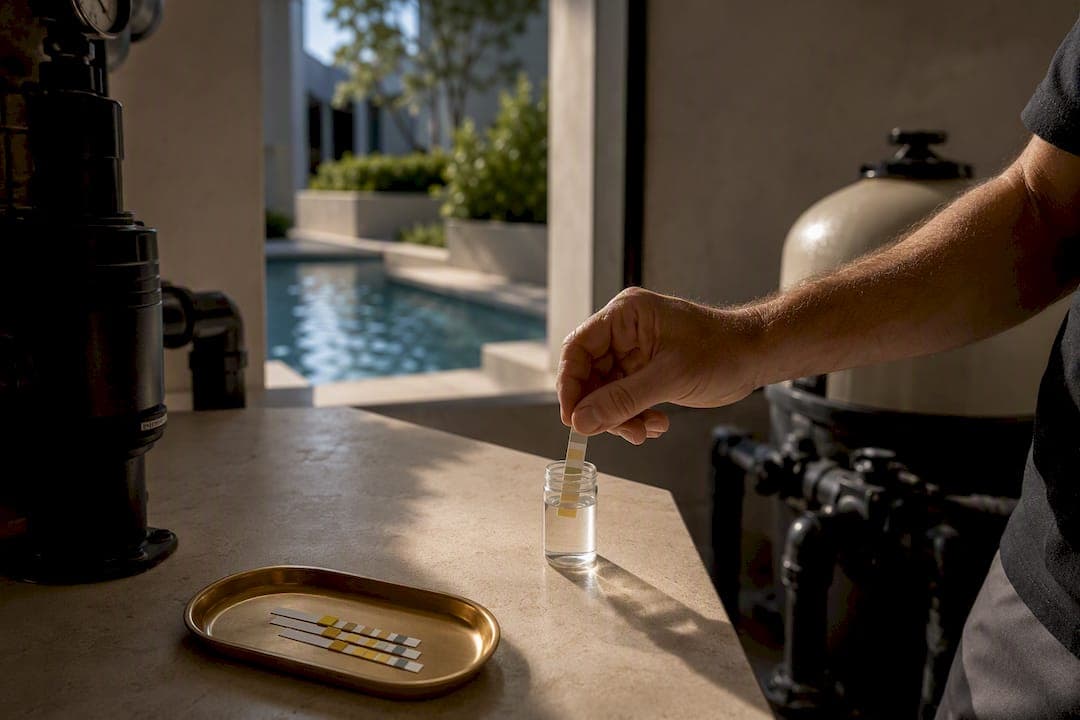
Saltwater pools can feel gentler and cause less eye and skin irritation because a salt-chlorine generator produces steady, low-level chlorine instead of the spikes you get from manual dosing. They are not chlorine-free, though. The real trade-off is softer water and lower odor against a higher upfront equipment cost, occasional corrosion risk near fixtures, and pH drift that needs regular attention.
TL;DR:
- Saltwater pools produce steadier chlorine levels, reducing spikes and chloramine buildup that cause eye irritation and strong odors during swimming.
- Although softer water and less odor are real benefits, saltwater systems may cause faster corrosion of metal fixtures and require regular pH adjustment.
- Initial equipment costs are higher, but over ten years, total ownership costs often become similar to manual chlorine pools, with convenience being the main advantage.
- Proper maintenance, including regular cell inspections and pH checks, is essential to prevent damage and maintain water quality, especially in saline-exposed fixtures.
- Saltwater pools offer moderate health benefits by lowering chloramines and chemical handling, but they do not eliminate chemicals or guarantee relief from sensitive skin or respiratory conditions.
Table of Contents
- What Are the Real Saltwater Pool Benefits Over Manual Chlorine?
- Do Saltwater Pools Actually Feel Better on Skin and Eyes?
- Saltwater Pool Maintenance and What It Actually Costs
- Where Saltwater Systems Cause Problems
- Setting Up and Running a Saltwater Pool the Right Way
- How Developers Think About Saltwater Pools as an Amenity
- The Chemistry Doesn't Lie, Even When the Marketing Does
- A Thoughtfully Specified Pool Is Part of the Package
- Sources
- FAQ
What Are the Real Saltwater Pool Benefits Over Manual Chlorine?
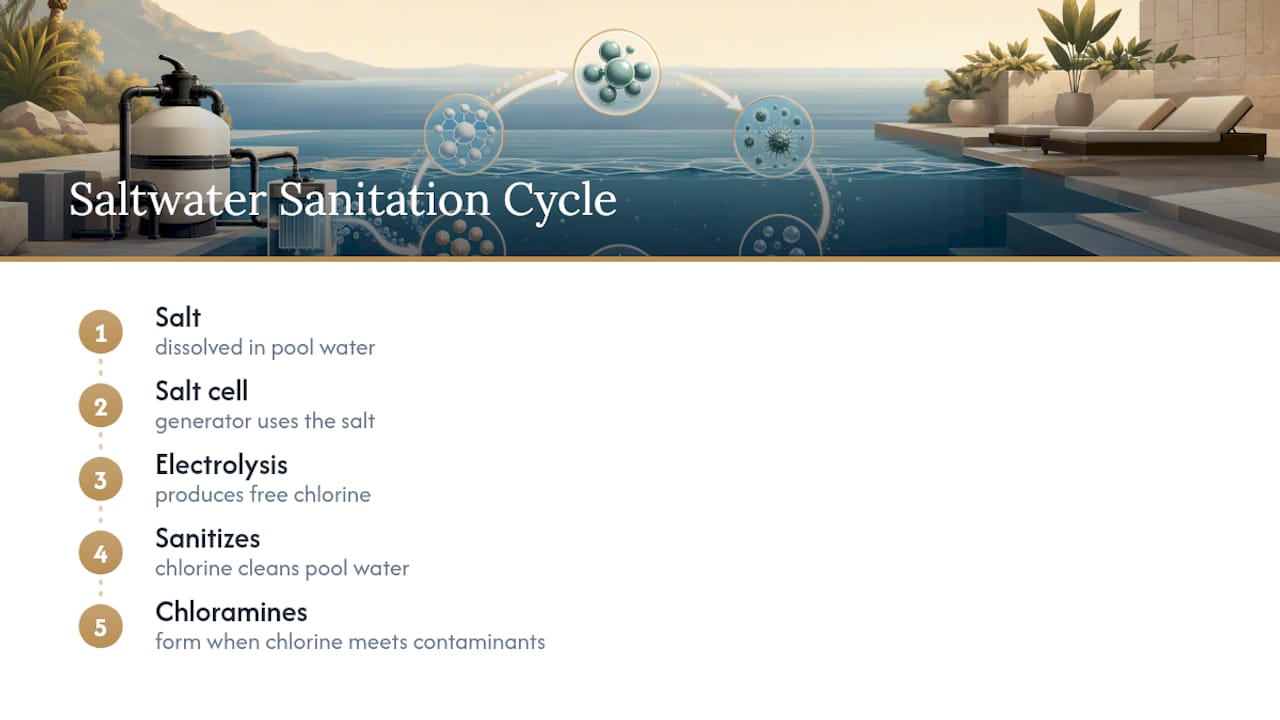
A salt-chlorine generator does not remove chlorine from the equation. It manufactures it. Dissolved salt, at a concentration around 3,000 parts per million, roughly a tenth the salinity of ocean water, passes through an electrolytic cell where an electrical charge splits the salt into chlorine. That chlorine sanitizes the water, then reverts back to salt, and the cycle repeats continuously as the pump runs.
The chemistry at the end of that cycle is identical to a manually dosed pool. Free chlorine is free chlorine, whether it came from a bag of granules or a cell buried in your plumbing. What changes is the delivery pattern, and that difference is where most of the real saltwater pool benefits show up:
- Chlorine output stays steadier over the day instead of spiking right after you add a dose and crashing hours later
- You handle far less concentrated chemical product, since the generator makes small amounts continuously rather than requiring bucket-and-scoop dosing
- Chloramine buildup tends to run lower because electrochemically generated chlorine systems maintain more consistent free chlorine levels, which limits the reactions that create combined chlorine
None of this makes a saltwater system chemical-free. It makes the chemical delivery more consistent, which is a meaningfully different claim than the one on most pool-store signage.
Do Saltwater Pools Actually Feel Better on Skin and Eyes?
The softer-water reputation is not just marketing. It traces back to chloramines, the byproduct created when chlorine reacts with sweat, urine, sunscreen, and other organic material in the water. Chloramines, not chlorine itself, cause the sharp "pool smell" and most of the eye and skin sting people associate with heavily chlorinated water.
The CDC's guidance on chloramines identifies them as a driver of poor indoor air quality at pools, since chloramine gas off-gasses from the water surface and accumulates in enclosed spaces without strong ventilation. That is why indoor pools, saltwater or not, tend to bother sensitive swimmers more than outdoor ones.
Fast fact: Saltwater systems don't eliminate chloramines. Because chlorine output is steadier and swimmers add less shock chemical at once, chloramine formation tends to run lower than in pools with irregular manual dosing, which is the mechanism behind most reported comfort gains.
Where the evidence gets softer is respiratory risk. Research linking chlorinated indoor pool air to asthma or airway sensitivity in frequent swimmers exists, but it's preliminary and doesn't distinguish clearly between salt-generated and manually dosed chlorine sources. If you or your kids have asthma or sensitive skin:
- Favor outdoor saltwater pools over indoor ones when you have a choice, since ventilation matters more than sanitizer type
- Ask about chloramine testing, not just free chlorine, if you're touring a facility
- Treat "hypoallergenic" pool marketing skeptically. It is a comfort claim, not a clinical one
Softer feel and less odor are real and reasonably well supported. Guaranteed relief from asthma or chronic skin conditions is not.
Saltwater Pool Maintenance and What It Actually Costs
Saltwater doesn't mean low maintenance. It means different maintenance, and the cost math depends heavily on how often you swim.
- Install the generator. Upfront equipment costs run higher than a standard chlorine setup because you're adding a salt cell, control panel, and often plumbing modifications. Retailers like Lowe's note this initial cost as the biggest gap between the two systems.
- Budget for recurring costs. Salt itself is cheap. Acid to counteract pH drift and periodic cell replacement (typically every few years) are the ongoing expenses that add up.
- Run weekly salinity and pH checks. Salinity should stay in the manufacturer's target band, and pH needs closer attention than in a manual system because electrolysis pushes it upward.
- Inspect the cell quarterly. Calcium scale builds up on the electrodes and reduces chlorine output if ignored.
- Schedule annual professional service. A technician checks cell wear, board function, and plumbing seals before problems become expensive.
Independent cost comparisons suggest that over a 10-year span, total ownership cost between salt and manual chlorine systems often ends up close to even once you factor in cell replacement and acid use. Salt tends to win on convenience, not on guaranteed long-term savings.
Pro Tip: Log your salinity and pH readings weekly in a simple notebook or phone app. Catching drift early is the single cheapest way to extend cell life and avoid an unplanned replacement.
Where Saltwater Systems Cause Problems
Salt is corrosive, and that's the honest asterisk on every saltwater pool benefits list. Metal fixtures, certain deck materials, and older equipment not rated for saline exposure can degrade faster near a salt pool, which is why retrofitting an existing chlorine pool into a saltwater setup needs a materials audit first, not just a new cell.
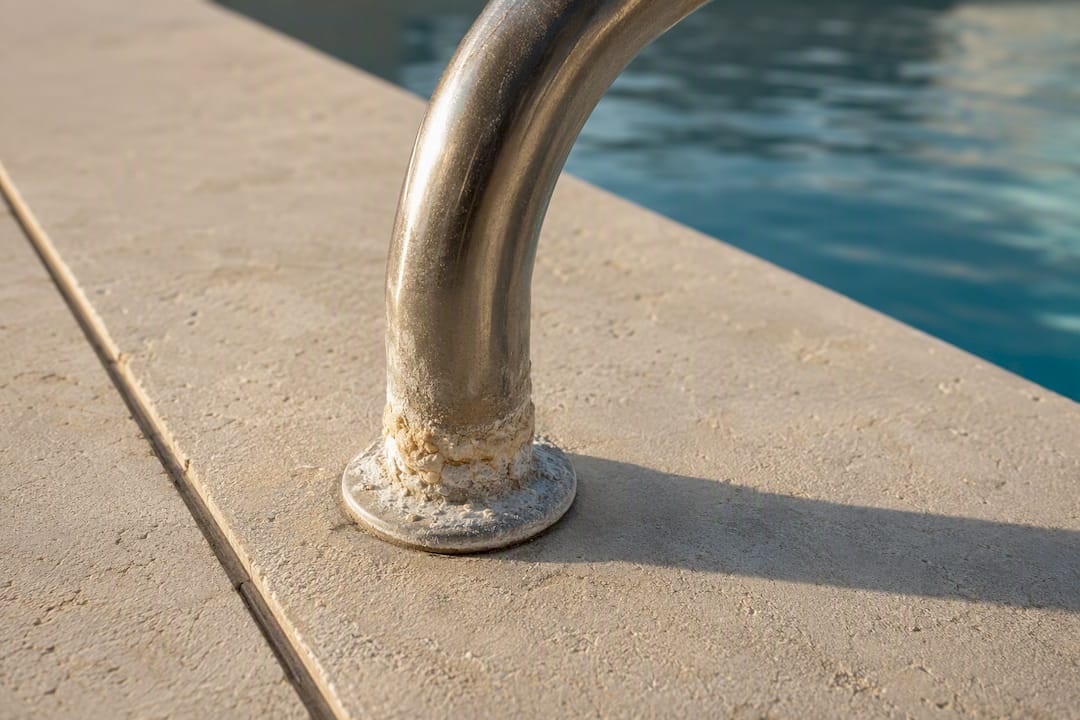
The other recurring headache is chemistry, not corrosion. Electrolysis produces sodium hydroxide as a byproduct, which pushes pH upward over time, so owners add acid regularly to hold the target range. Skip that step and calcium scale builds on the cell electrodes, cutting chlorine output and shortening the cell's working life.
Watch for these warning signs:
- Rust streaks near ladders, handrails, or metal coping
- Visible white scale buildup on the salt cell during quarterly inspection
- Chlorine readings that drift low even with the generator running at full output, a sign the cell is failing
- Corroded fasteners on pool equipment not rated for saltwater exposure
If your property has extensive metal decking, older plumbing, or fixtures not rated for saline exposure, ask an installer for saltwater-compatible alternatives before committing.
Setting Up and Running a Saltwater Pool the Right Way
Before hiring an installer, ask about the cell model, warranty length, and whether existing decking and plumbing are rated for saline exposure. A good contractor will walk through material compatibility before quoting a price.
Once running, aim for these target ranges:
- Salinity: roughly 2,700 to 3,400 parts per million, depending on your specific generator's spec sheet.
- Free chlorine: 1 to 3 parts per million, tested weekly with a reliable kit.
- Pump and cell runtime: enough hours daily to turn over the full pool volume at least once, typically 8 to 12 hours depending on pool size and bather load.
- Cell inspection: quarterly, checking for scale and wear.
Keep liquid chlorine on hand for shock treatment or algae blooms. Even a salt system benefits from a manual boost when water chemistry gets away from you.
How Developers Think About Saltwater Pools as an Amenity
Developers often specify salt systems in shared condo pools for one practical reason: less chemical handling around residents and staff, with steadier water quality day to day. Buyers comparing properties should ask what cell service plan is included and whether finishes were chosen for saltwater compatibility. Our guide to lap pool sizing standards covers how design and system choice intersect.
The Chemistry Doesn't Lie, Even When the Marketing Does
Salt is the fuel. Chlorine is the sanitizer. That distinction gets lost in pool-store brochures that lean on "chemical-free" language, and it's the single most useful thing a buyer or homeowner can internalize before comparing systems. The health case for saltwater pools is real but modest: steadier chlorine, fewer chloramine spikes, less handling of concentrated product. It is not a case for hypoallergenic water or guaranteed relief from skin conditions, and the CDC's own chloramine guidance supports a cautious read, not an enthusiastic one.
Where conventional advice falls short is cost framing. Too many comparisons treat saltwater as an automatic long-term saver. The truer picture, based on 10-year ownership analyses, is that salt systems pay off fastest for pools used heavily and year-round. A seasonal backyard pool may never fully amortize the equipment premium.
If you take one thing from this, prioritize the maintenance conversation before the health conversation. Ask about cell warranty, material compatibility, and pH management before you ask whether the water will feel softer. It will, somewhat. But that comfort only holds up if the system is maintained correctly.
— Simon
A Thoughtfully Specified Pool Is Part of the Package
Hougang-central-residences takes the same disclosure-first approach to its pool and wellness facilities that this article argues you should demand from any developer: real specs, not just marketing language about "premium" water.

The development's amenity design includes wellness and social facilities built with material compatibility and long-term upkeep in mind, not just launch-day photos. If you're comparing properties and want to see how pool specifications, finishes, and shared-facility maintenance plans are documented, the Hougang Central Residences amenity details page lays out floorplans and facility information you can review before booking a showflat visit. For buyers weighing lifestyle amenities more broadly, it's also worth reading how waterfront and pool proximity influence long-term livability in comparable residential settings. Request the e-brochure to see the full wellness facility breakdown before your next property tour.
This article is general information, not a substitute for advice from a qualified doctor. Consult a qualified healthcare professional about your own circumstances before acting on anything here.
Sources
- Salt Water Pool vs Chlorine Pool: Which One is Better? — Swim University
- Saltwater Pools vs. Chlorine Pools | Lowe's
- Watertest
- Saltwater Pools: Benefits, Risks, and More — Healthline
FAQ
Is a saltwater pool good for your body?
Saltwater pools often feel gentler on skin and eyes because chlorine output stays steadier and chloramine buildup tends to run lower, but the sanitizer is still chlorine and individual sensitivity varies.
What are the negatives of a saltwater pool?
The main downsides are higher upfront equipment cost, salt-related corrosion risk to metal fixtures and some decking, pH drift that requires regular acid dosing, and periodic salt cell replacement.
How many hours a day should a saltwater pool run?
Most systems need the pump and cell running long enough to turn over the entire pool volume at least once daily, typically 8 to 12 hours depending on pool size and how many people use it.
What is the healthiest type of swimming pool?
No pool type is chemical-free, but saltwater systems tend to produce steadier chlorine levels and fewer chloramines than manually dosed pools, which is the main comfort and air-quality advantage supported by current guidance.